
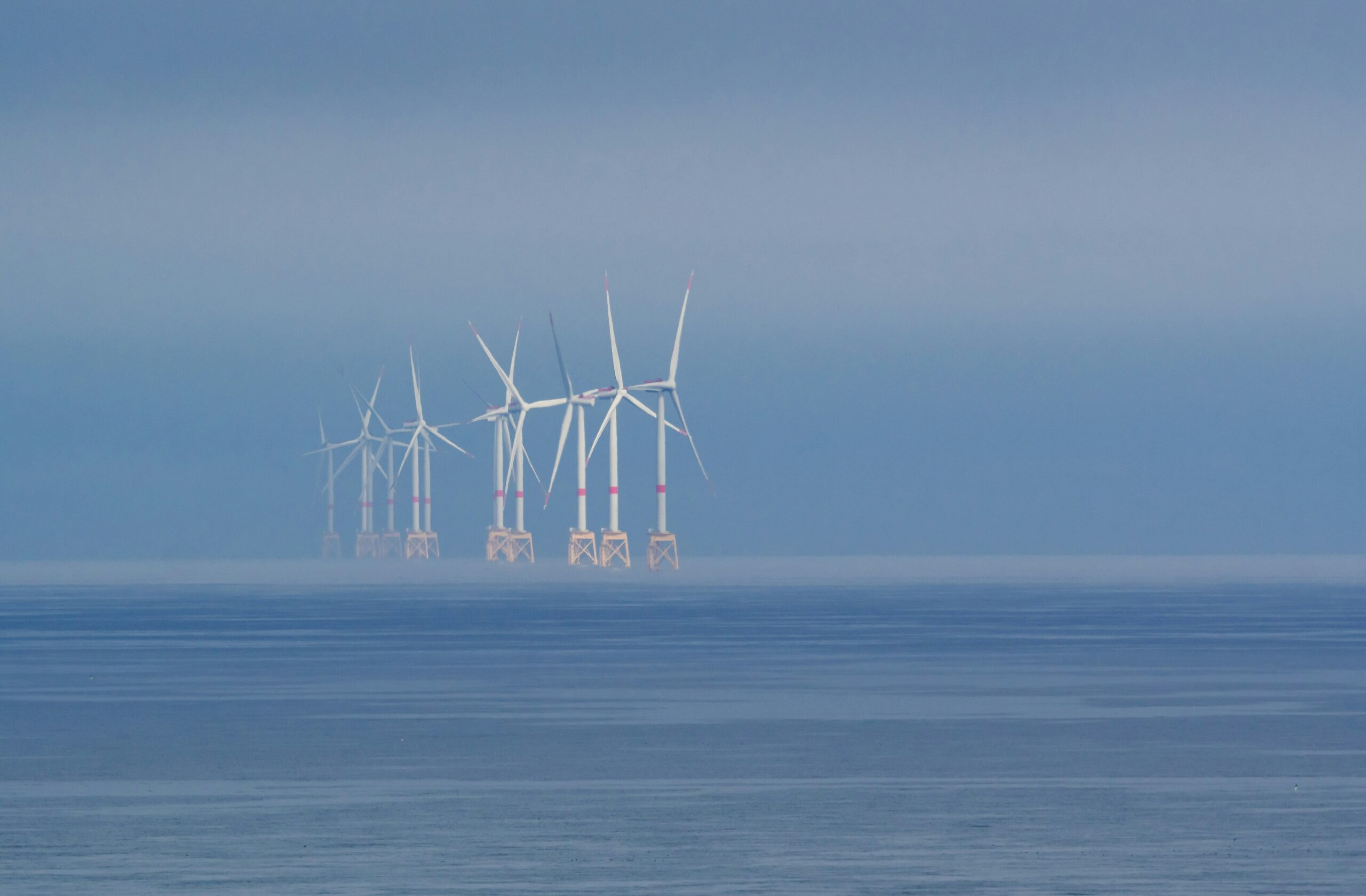
During One Ocean Week in Bergen, technology and innovation take center stage, with events showcasing how new solutions contribute to better knowledge, smarter management, and a more equitable blue economy.
Throughout the week, a series of events will explore how ocean technology—from satellites and sensors to digital infrastructure and biotechnology—gives us a better understanding of the state of the ocean. By collecting and interpreting ocean data in new ways, we strengthen the foundation for knowledge-based decision-making, climate adaptation, and the protection of marine ecosystems. This also contributes to increased resilience in communities that depend on the ocean.
At the same time, the events demonstrate how technological innovation is driving the transition to low- and zero-emission solutions in maritime transport, circular aquaculture, and renewable ocean energy. The sessions cover clean maritime technology, green fuels, automation, gene editing, underwater communication, and the systems and frameworks needed to scale sustainable solutions globally. Here is a selection of technology program items you’ll find in this year’s program:
Parallel Sessions – One Ocean Summit – One Ocean Week(EN)
Monday, April 20, 2:00–4:00 p.m.
Science, Data, and Ocean Observation
- Ocean Tech – Pint of Science dives into the future of our ocean – One Ocean Week(EN)
Public science lectures on ocean technology, regulation, and future implications
Thursday, April 23, 7:00–8:30 p.m., Statsraaden Bar & Reception - Underwater Communication: Mobility in Wireless Sensor Networks – One Ocean Week(EN)
Challenges and Innovations in Underwater Communication in Dynamic Environments.
Thursday, April 23, 8:30 a.m.–12:00 p.m., Litteraturhuset - A Sea of Data—Industry, Research, and Governance, and the Path Forward Toward a Better Understanding of the Ocean—One Ocean Week(EN)
How Norway and Stakeholders Can Contribute to Better Ocean Data and Knowledge
Wednesday, April 22, 12:00–1:00 p.m., Statsraad Lehmkuhl
Biotechnology and Aquaculture Innovation
- CRISPR Gene Editing at Sea: Trust, Transparency, and Transformation – One Ocean Week(EN)
Gene-Editing Technologies in Aquaculture, Policy, and Marine Biotechnology
Wednesday, April 22, 12:30–2:00 p.m., Litteraturhuset - Circular Aquaculture for Sustainable Food Production – One Ocean Week(EN)
Circular Value Chains, Nutrient Recovery, and Sustainable Food Systems
Monday, April 20, 1:30–4:30 p.m., Bryggens Museum Auditorium - Are we heading toward a new standard in the salmon farming industry? – One Ocean Week(EN)
Reducing mortality and shaping the future of sustainable salmon farming
Tuesday, April 21, 8:00–10:00 a.m., Bar Library - Startuplab Ocean Summit – One Ocean Week (EN)
Brings together ambitious marine technology entrepreneurs from the Nordic region with leading industry players and international venture capital firms.
Maritime and Shipping Technology
- HAVlunsj: Confidence in Zero Emissions in Maritime Transport (NO)
Confidence, Technology, and the Future of High-Speed and Zero-Emission Vessels, organized by Maritime CleanTech
Thursday, April 23, 11:30 a.m.–12:30 p.m., Legacy of the Fjords
- Technology Driving the Maritime Industry Forward (NO)
Bouvet and Atea Discuss Digitalization, Data, and Value Creation in the Maritime Industries
Wednesday, April 22, 12:00 p.m.–4:00 p.m., Zachariasbryggen, third floor
Energy and Marine Renewable Energy
- The North Sea as a Driving Force for Norwegian Society (NO)
Past, Present, and Future Energy Production Technologies in the North Sea
Friday, April 24, 8:00–10:00 p.m., Litteraturhuset
- What Is the Role of Wave Energy in the Future EU Energy Mix? (EN)
Wave Energy, the EU's Climate Goals, and the Path from Pilot Projects to Full-Scale Projects
Wednesday, April 22, 10:00 a.m.–12:00 p.m., Statsraad Lehmkuhl