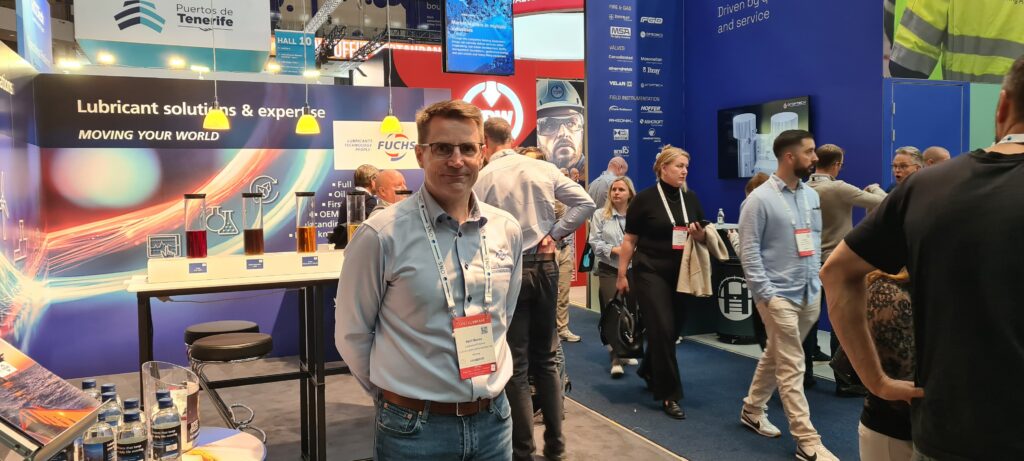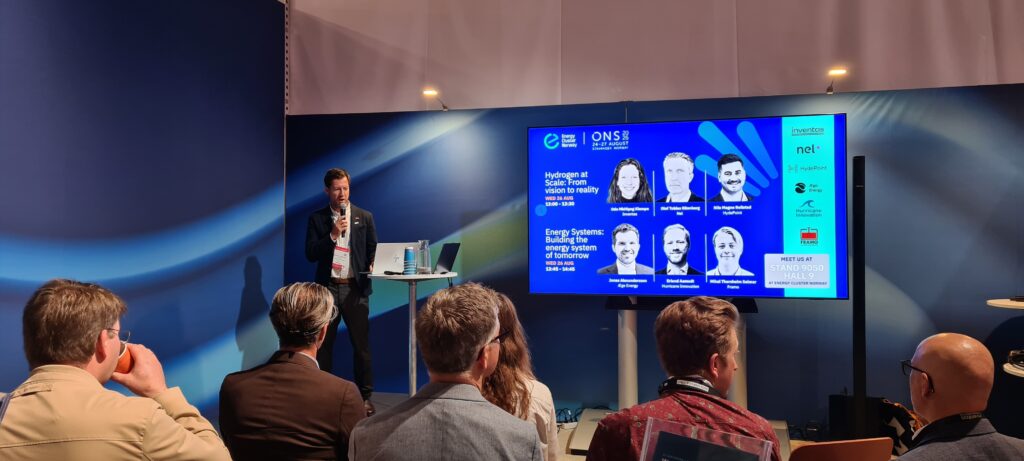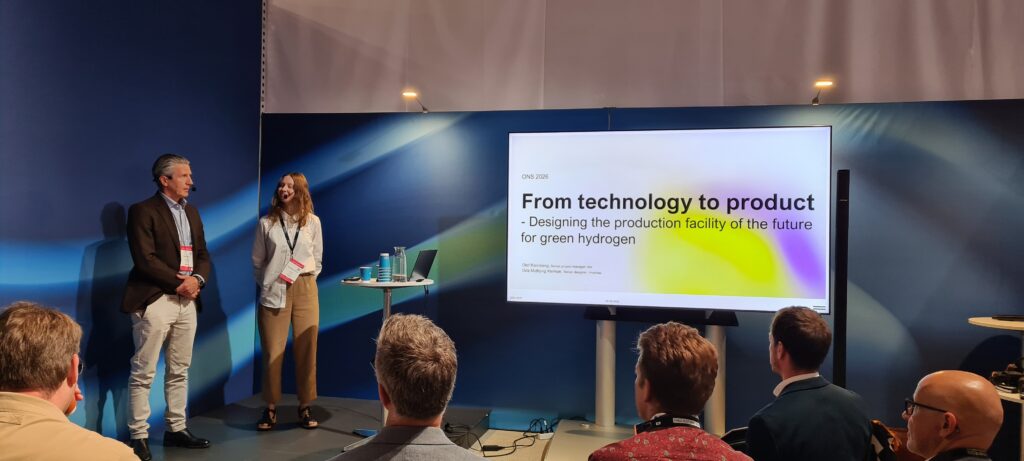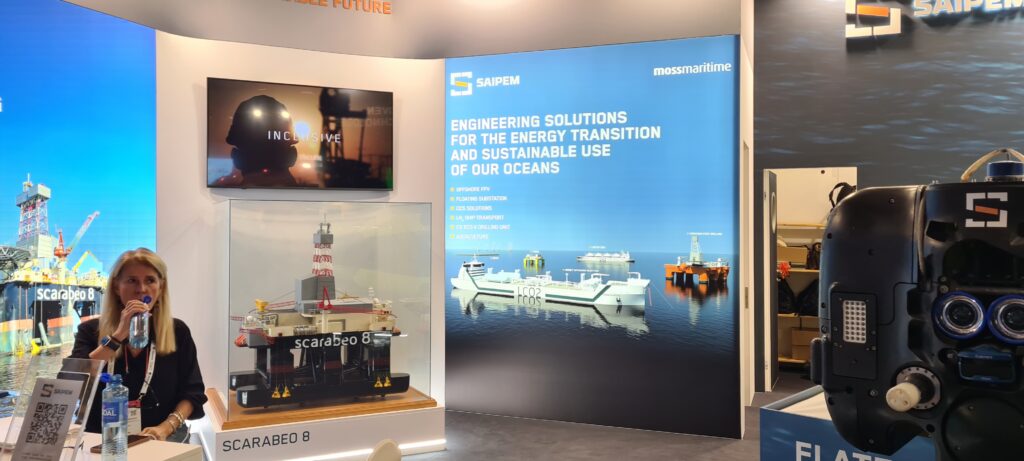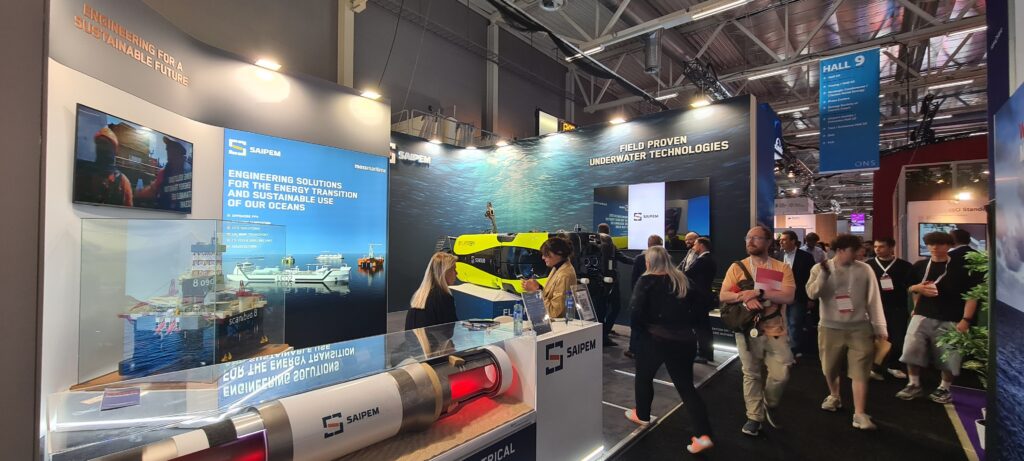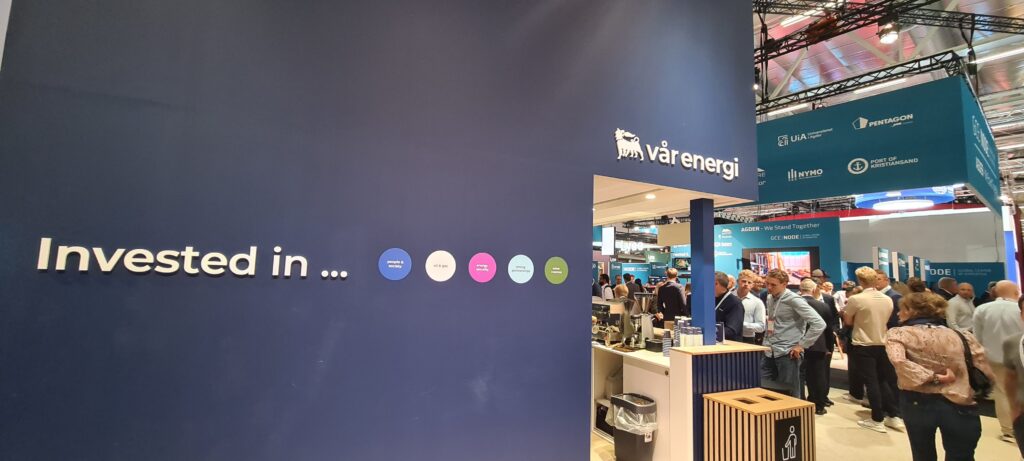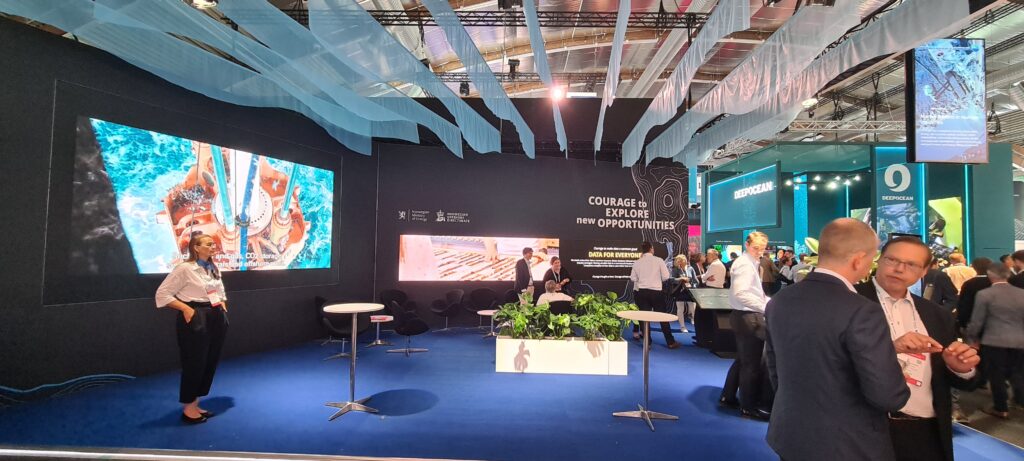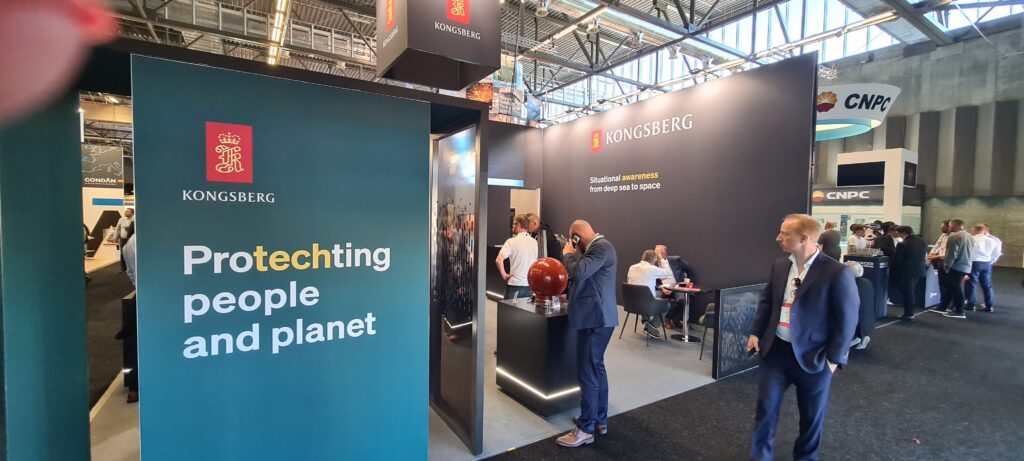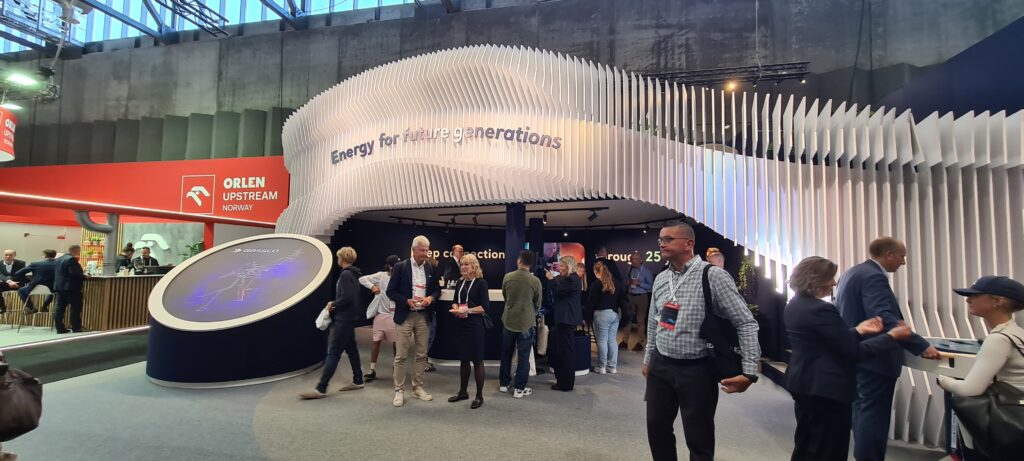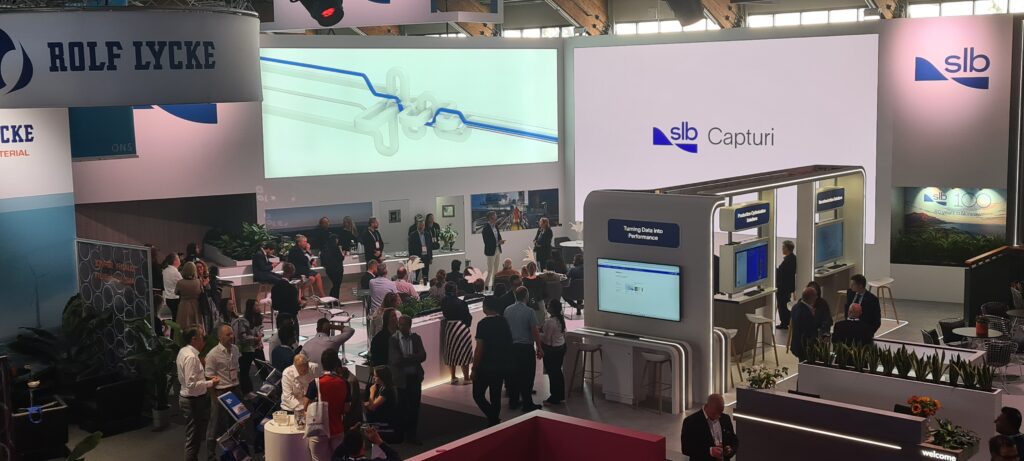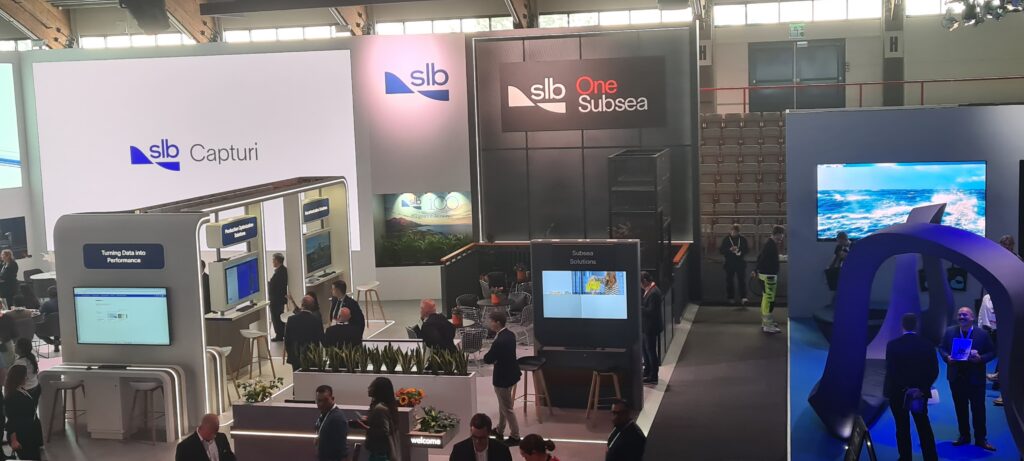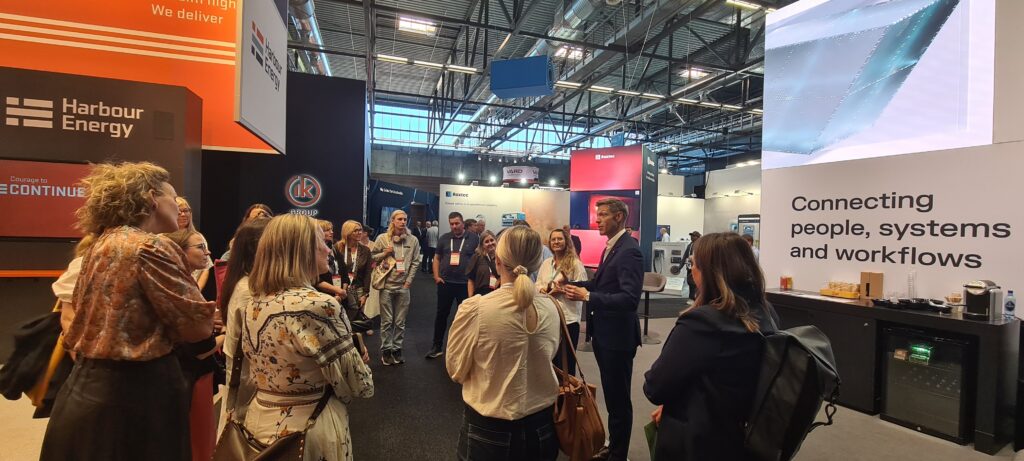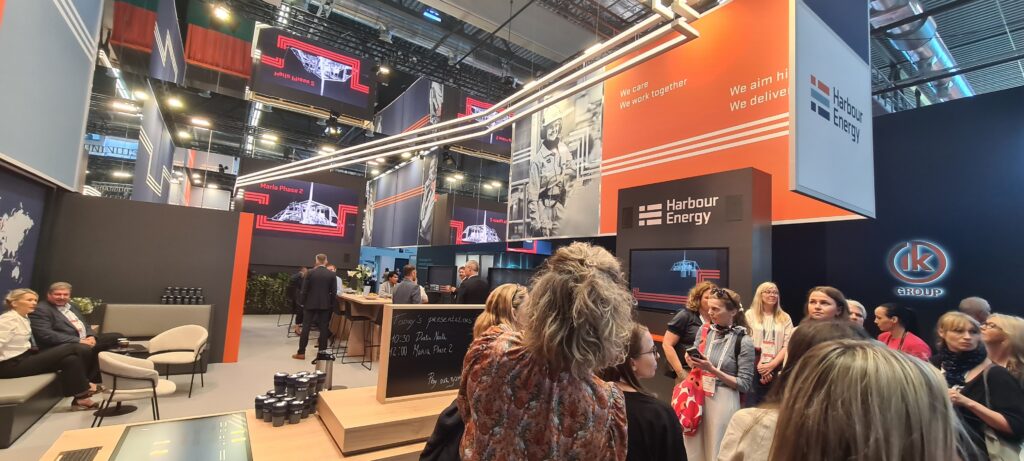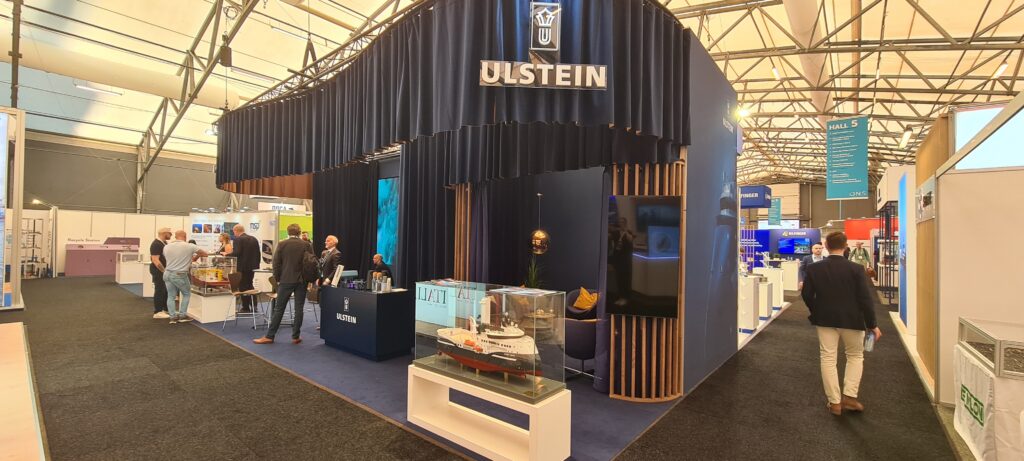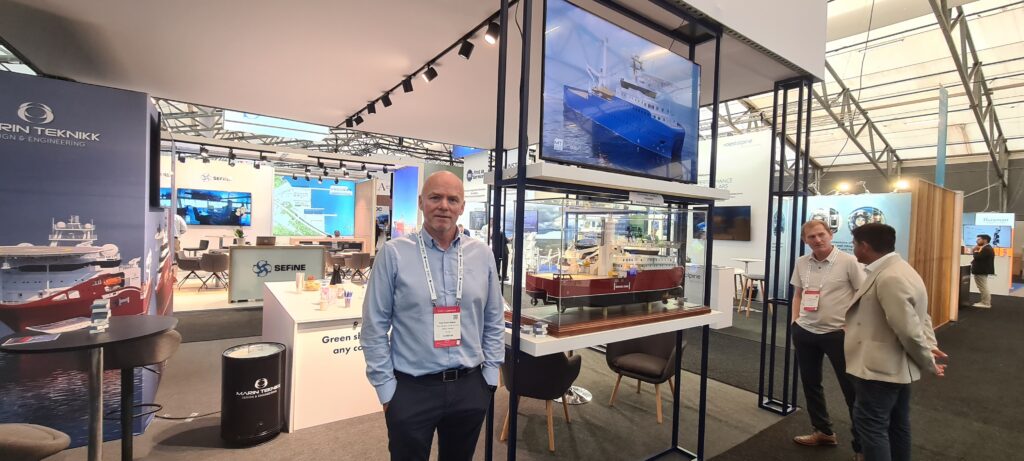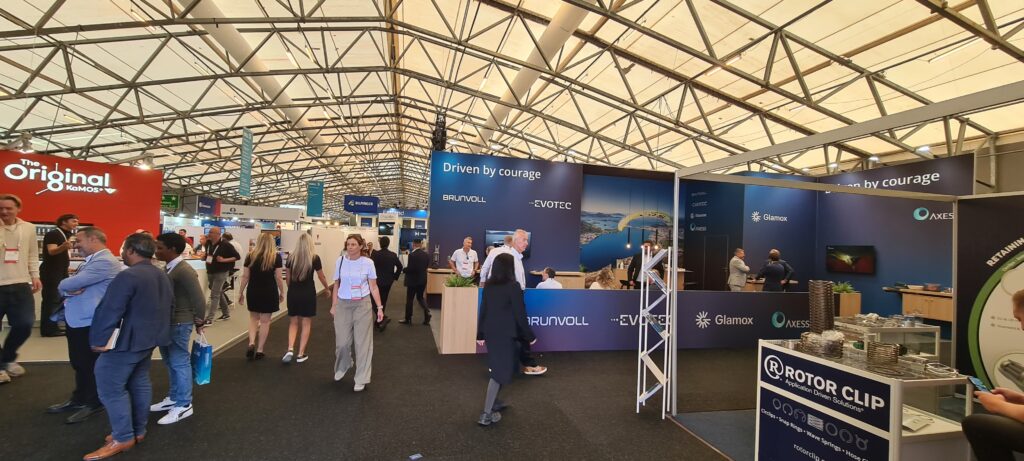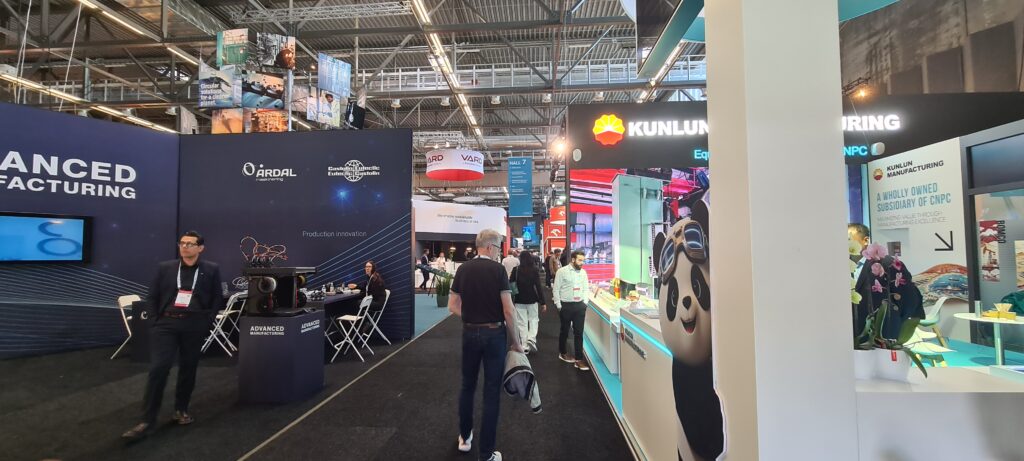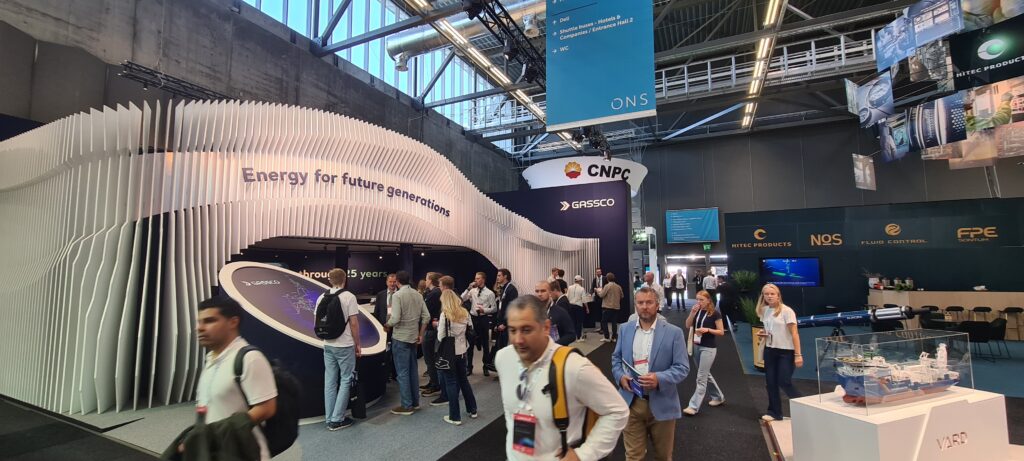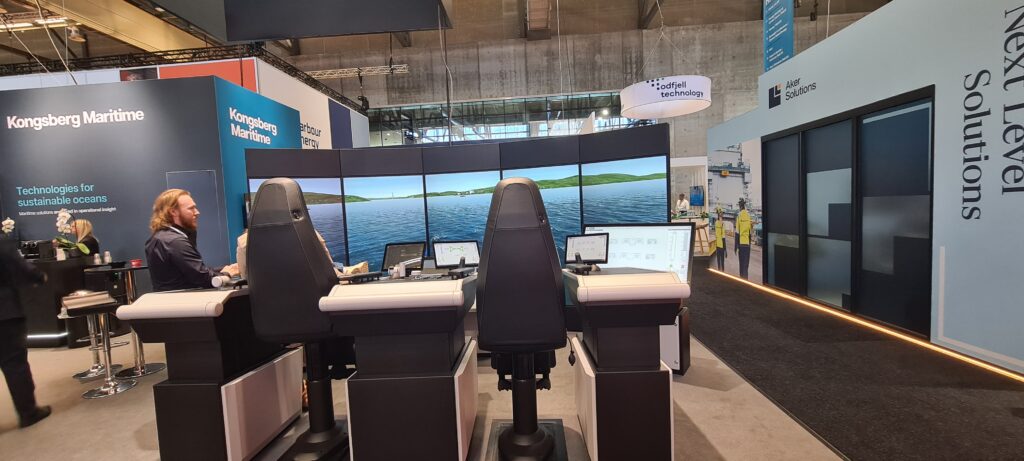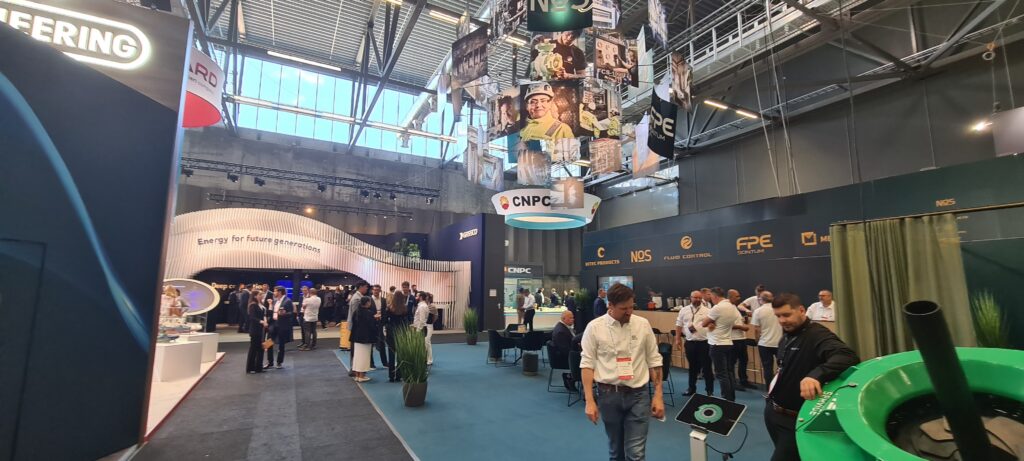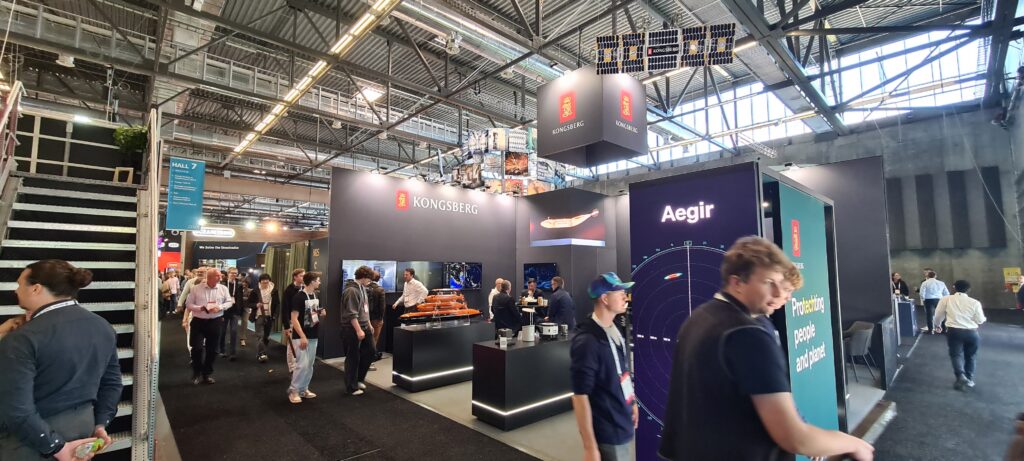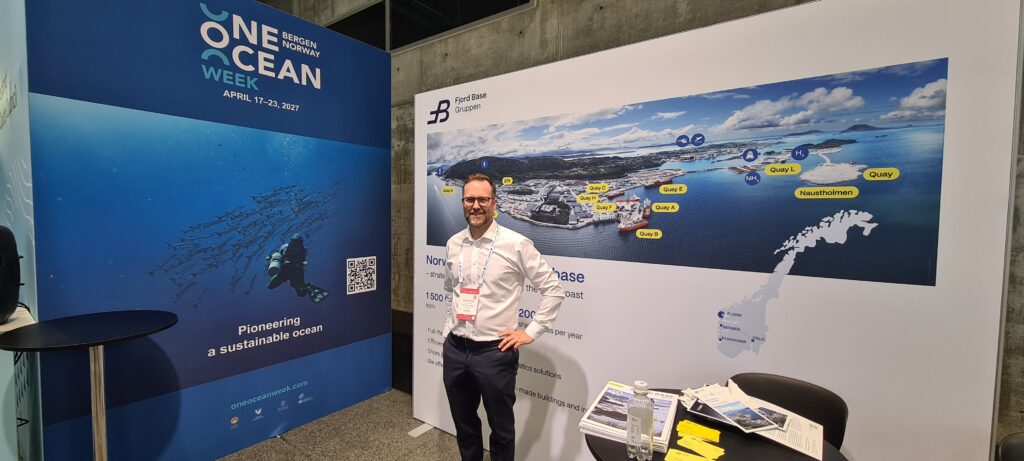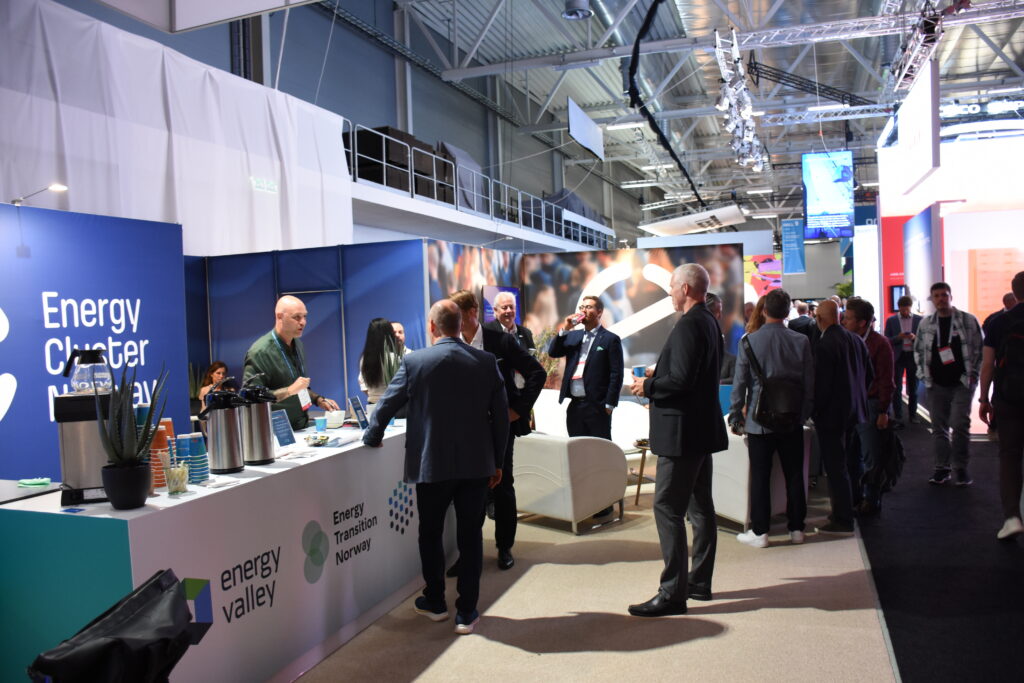

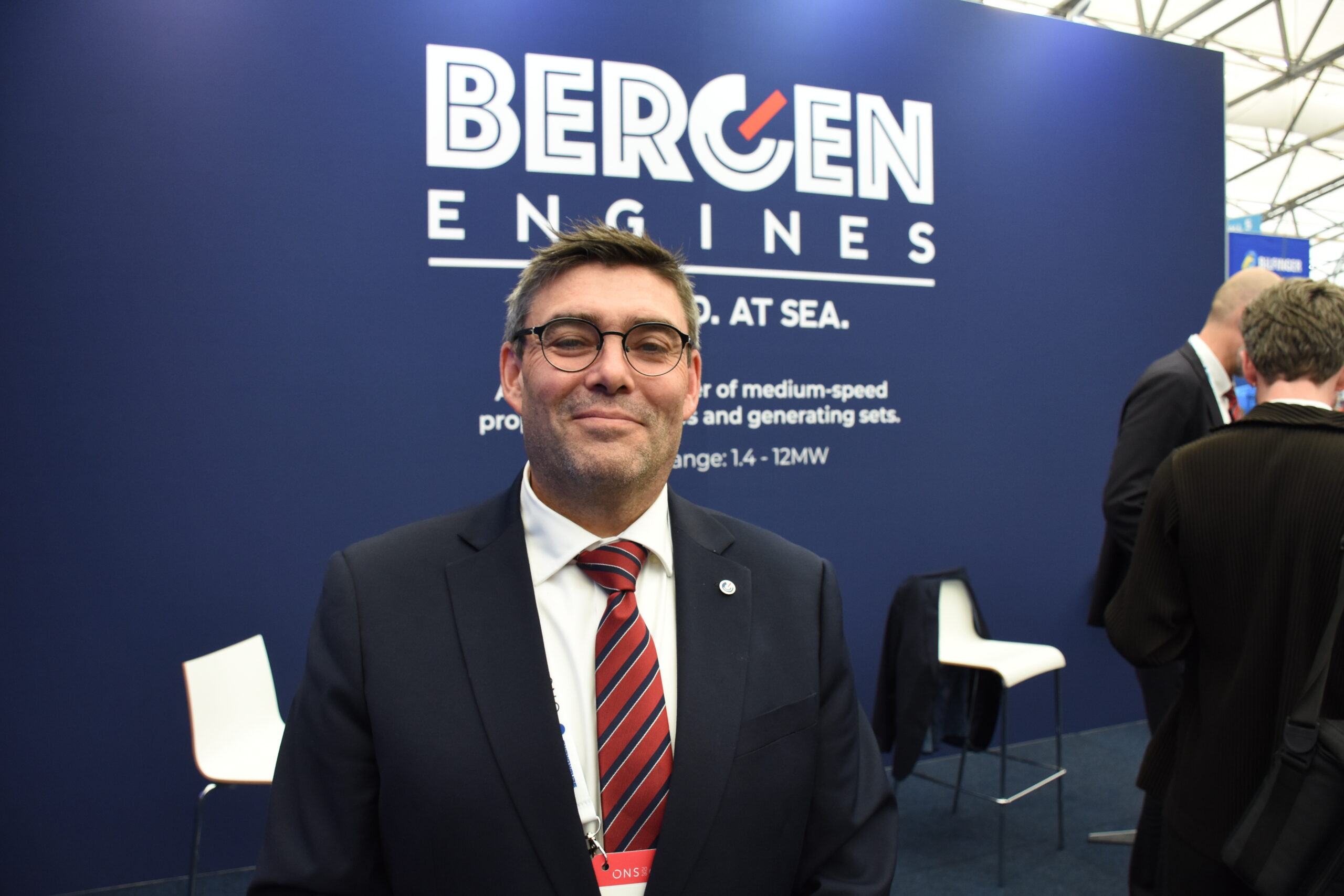
Bergen Engines participated in ONS in Stavanger to showcase engine solutions for the oil and gas industry. At the same time, the company is working on technology designed to help reduce emissions from shipping and meet future environmental requirements.
“Here we meet companies such as Equinor, BP, and other firms in the offshore and maritime industries. The market is international, and many of the contracts we fulfill are for operations outside Norway,” says Trond-Inge Grønnevik of Bergen Engines.
Biodiesel and biogas reduce emissions
Today, diesel, biodiesel, LNG, and biogas are the primary energy sources for the engines the company supplies. Biodiesel and biogas are technologies that have already been thoroughly tested and can contribute to significant emissions reductions.
Among other things, Bergen Engines has conducted tests using 100 percent biodiesel and adapted its engines to run on this fuel.
"Biodiesel alone will not be enough to meet the long-term climate goals, but it is an important step toward lower emissions," he says.
The company also points to the experience gained from the coastal route, where gas engines have been tested using biogas. This results in a further reduction in greenhouse gas emissions compared with traditional fossil fuel sources.
Develops engines for methanol and ammonia
To meet the requirements for emission-free fjords and stricter climate requirements leading up to 2030, Bergen Engines is participating in a research collaboration with SINTEF, NTNU, and Equinor.
As part of the project, the company has delivered a demonstration engine to a new test laboratory in Trondheim. The goal is to investigate how future fuels, such as methanol and ammonia, can be used in the maritime sector.
“We will first test the engine with methanol, and then with ammonia. This is important development work to find the solutions needed for the future,” says Grønnevik.
A more cautious market
At the same time, the company has noticed that interest in the newest and most climate-friendly fuels has declined somewhat over the past year.
“We’re seeing fewer requests where customers specify methanol or ammonia. Just half a year ago, this was much more common,” he says, adding that this may
be related to factors such as economics, availability, and uncertainty surrounding the production of these new fuels.
Testing Hydrogen in Bergen
Hydrogen is also an important part of the company's development work. In Bergen, Bergen Engines has tested gas engines that run on a hydrogen blend, and the company already has facilities in operation that use this technology.
The long-term goal is to be able to use increasingly larger shares of hydrogen, but this development depends on green hydrogen becoming available at competitive prices.
“Technology is evolving, but the transition must occur as the fuel becomes available and the market is willing to pay the associated costs,” he says.
The entire value chain must contribute
He emphasizes that the transition to more climate-friendly fuels will have implications for costs in the transportation sector.
“If the shipping industry is to use more expensive and more environmentally friendly fuels, this will also affect the cost of transporting goods. The entire value chain must do its part to share the burden if we are to meet our climate goals,” he says.
SEE MORE PHOTOS FROM ONS 2026: