
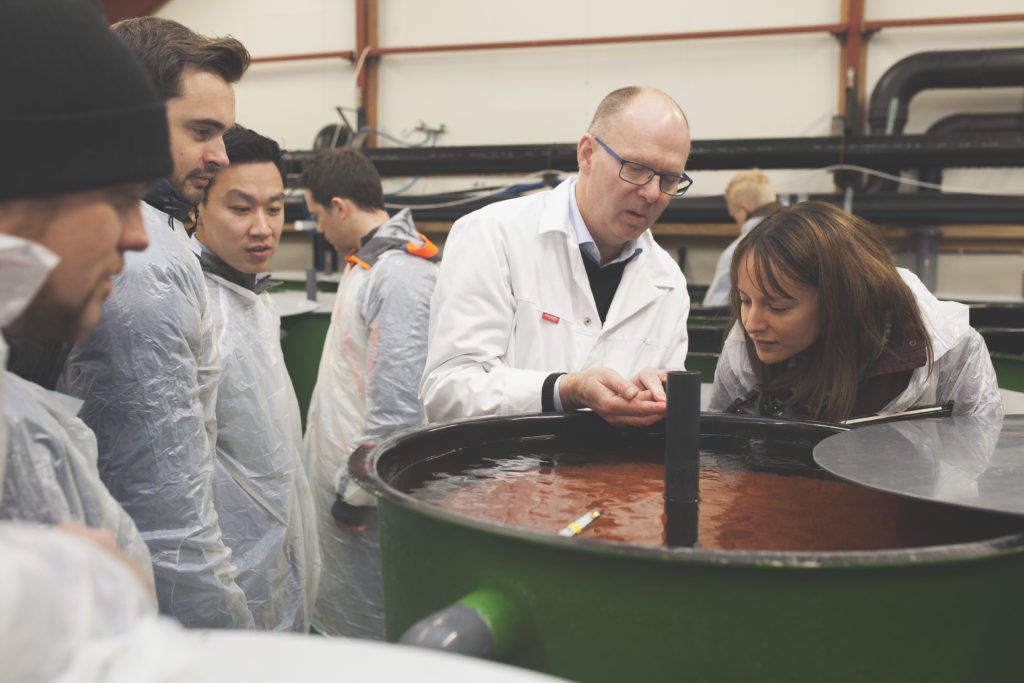
This week, YoungFish is bringing together over 200 young professionals in Bergen for this year's conference, with the theme "New horizons for the seafood industry."
"Both aquaculture and fisheries are facing new demands, new technology, and increased international competition. If the industry is to continue to grow, we must explore new opportunities and find new ways to develop," says Mads Aarvik, leader of YoungFish.
New opportunities
In recent years, growth in Norwegian aquaculture has been limited, while fisheries have been faced with low quotas. These are among the main reasons why YoungFish is focusing on new horizons and new growth opportunities this year.
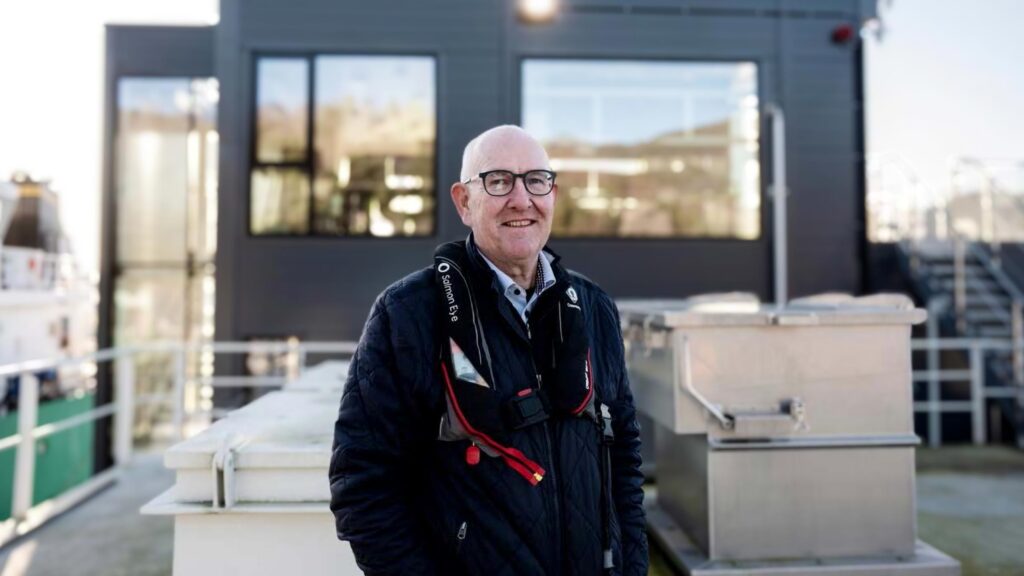
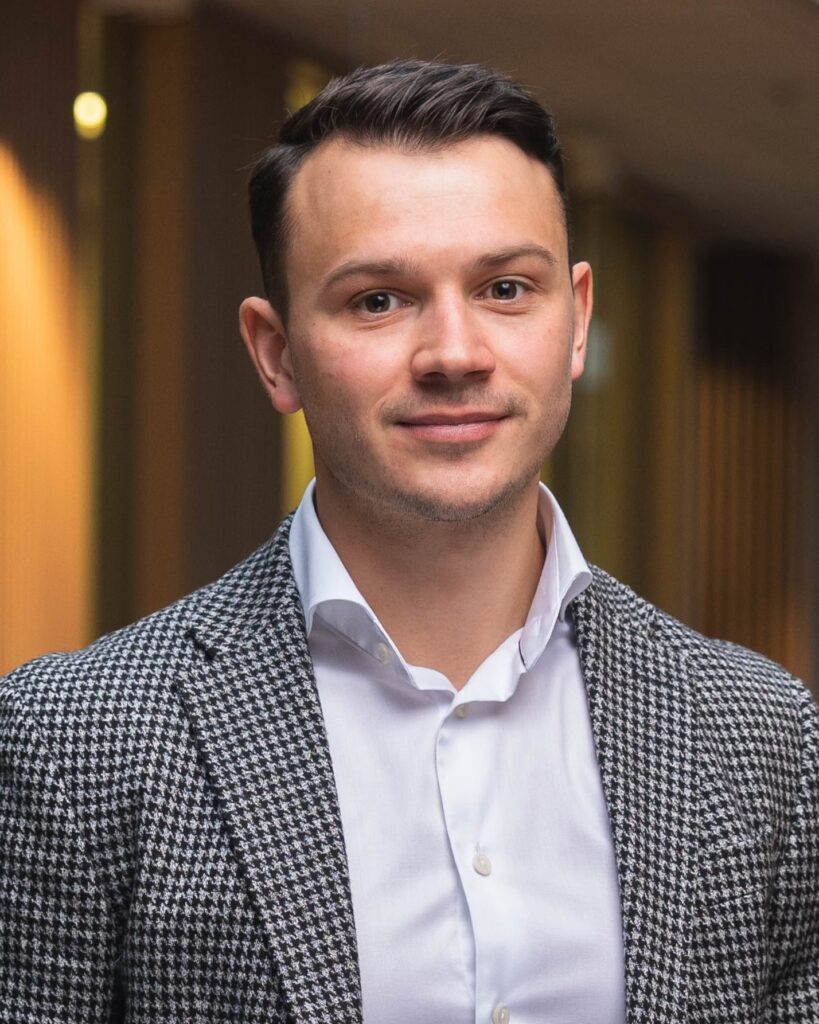
"The industry must find other ways to grow. There are many exciting developments in closed technology, offshore aquaculture, new fisheries, and applications of artificial intelligence throughout the value chain," says Aarvik (PHOTO: PwC).
He points in particular to closed production systems as one of the most important areas of technological development:
"Closed technology shows very promising biological results and is now entering a commercialization phase. The environmental flexibility scheme that came into effect in 2025 has made this even more relevant for many players," he says.
Young voices will take up more space
A key theme during the conference is the role young professionals will play in the seafood industry of the future. Aarvik believes that the next generation of leaders could have a major impact, particularly in terms of communication and transparency.
"I think both young and established people take the environment, documentation, and technology very seriously. But perhaps the next generation of leaders will be even better equipped to communicate with credibility and authenticity, and engage with society on the new platforms where dialogue actually takes place," he says.
He also emphasizes that the industry must strengthen its interaction with its surroundings in order to maintain both legitimacy and competitiveness:
"The industry does a lot of good, but does not always receive recognition for its efforts. Cooperation and dialogue with authorities, society, and other stakeholders will be crucial going forward," says Aarvik.
A program that will appeal to everyone
The program for this year's conference covers a wide range of topics – from exposed aquaculture and new technology to reputation building, panel discussions, and group discussions. YoungFish currently has members from across the value chain: aquaculture, fisheries, technology, logistics, consulting, and finance.
"We want the conference to be valuable both to those who are completely new to the industry and those who have been working in it for several years. That's why we combine professional presentations with discussions, networking, and social gatherings," says Aarvik.
In recent years, the conference has attracted between 200 and 250 participants, and is set to reach similar numbers this year.
YoungFish is run on a voluntary basis without employees, but that does not put a stop to its ambitions.
"We are fortunate to have committed and skilled volunteers in both the central board and the local chapters. This makes us agile and able to make quick decisions and develop good meeting places for young people in the seafood industry," says Aarvik.
The organization is constantly growing, and new local chapters are being established wherever enthusiasts want to create a professional community. Ålesund is highlighted as an example, where YoungFish has grown from zero to several hundred members in just a few years.
In the longer term, Aarvik wants YoungFish to continue to be a strong arena for building networks, expertise, and pride among young people in the industry.