
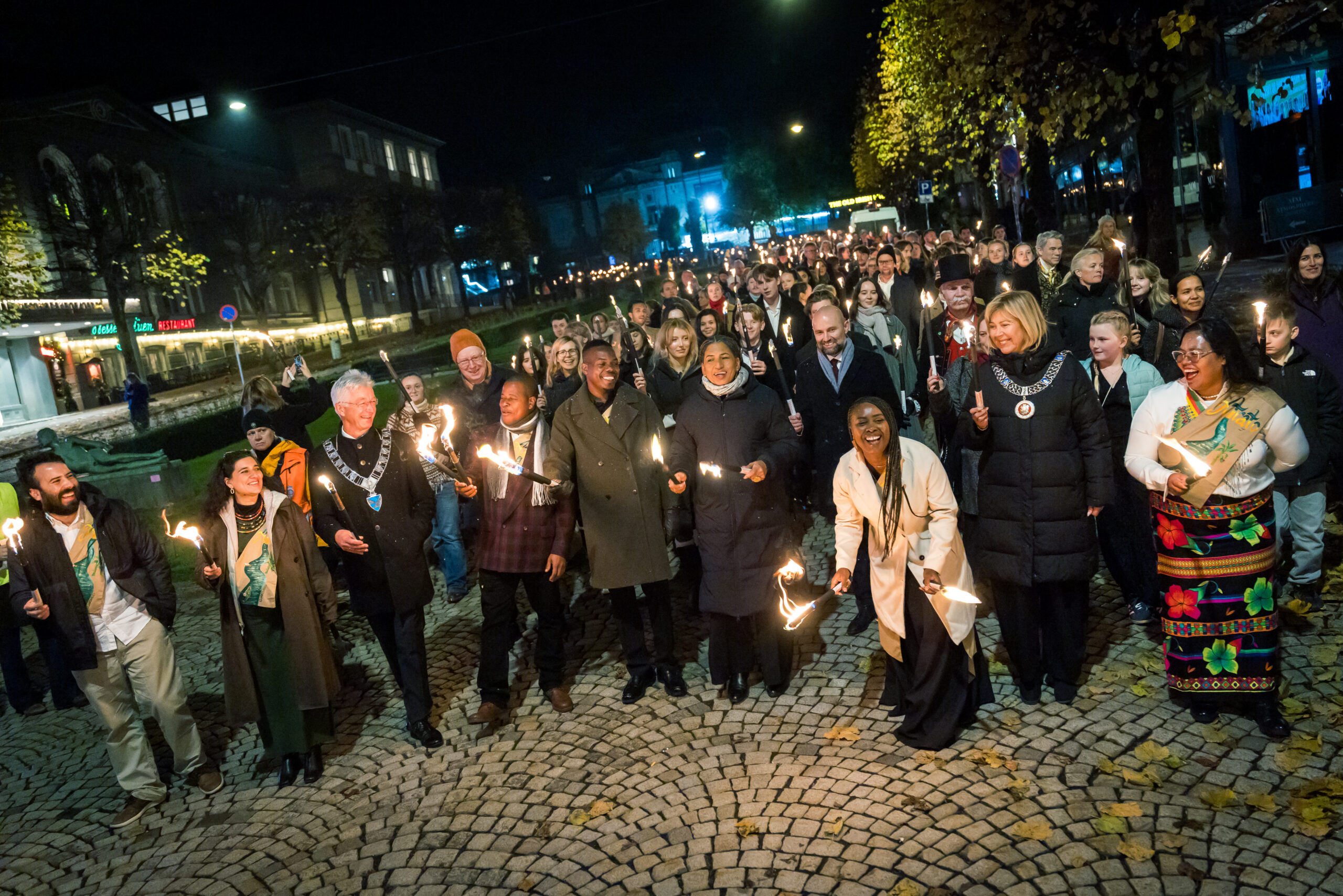
Source: Rafto.no
The 2026 Rafto Prize has been awarded to The Collegiate Body of Guardians of the Atrato River (CCGA) for the organization’s work to protect human rights and the environment along the Atrato River in Colombia.
CCGA operates in an area plagued by illegal gold mining, environmental destruction, and violence. Large quantities of mercury from mining operations have polluted the river, causing serious consequences for both the natural environment and the people who depend on it for their livelihoods.
– The story of CCGA illustrates how the struggles for the environment, health, and human rights are closely intertwined. What is happening in the Atrato River is not just a local problem. High global demand for gold is driving an industry that destroys nature and livelihoods, while at the same time making it extremely difficult to trace how the gold is mined. “These are challenges that are also relevant to everyone working on issues related to the ocean, the environment, and sustainability,” says Jostein Hole Kobbeltvedt, executive director of the Rafto Foundation.
Colombia is among the countries in the world where it is most dangerous to be an environmental activist, according to Kobbeltvedt. He praises the river guardians, who, despite great personal risk, have documented environmental crimes and stood up for the local communities along the Atrato River.
This case illustrates how the struggle over natural resources has consequences far beyond the areas where extraction takes place. Pollution of rivers affects people, ecosystems, and waterways that ultimately flow into the ocean, while increasing pressure on natural resources is a challenge in many parts of the world.
During the awards ceremony in Bergen, the award winners themselves emphasized the connection between nature and human rights:
– That is why we cannot defend human rights without also defending nature.