
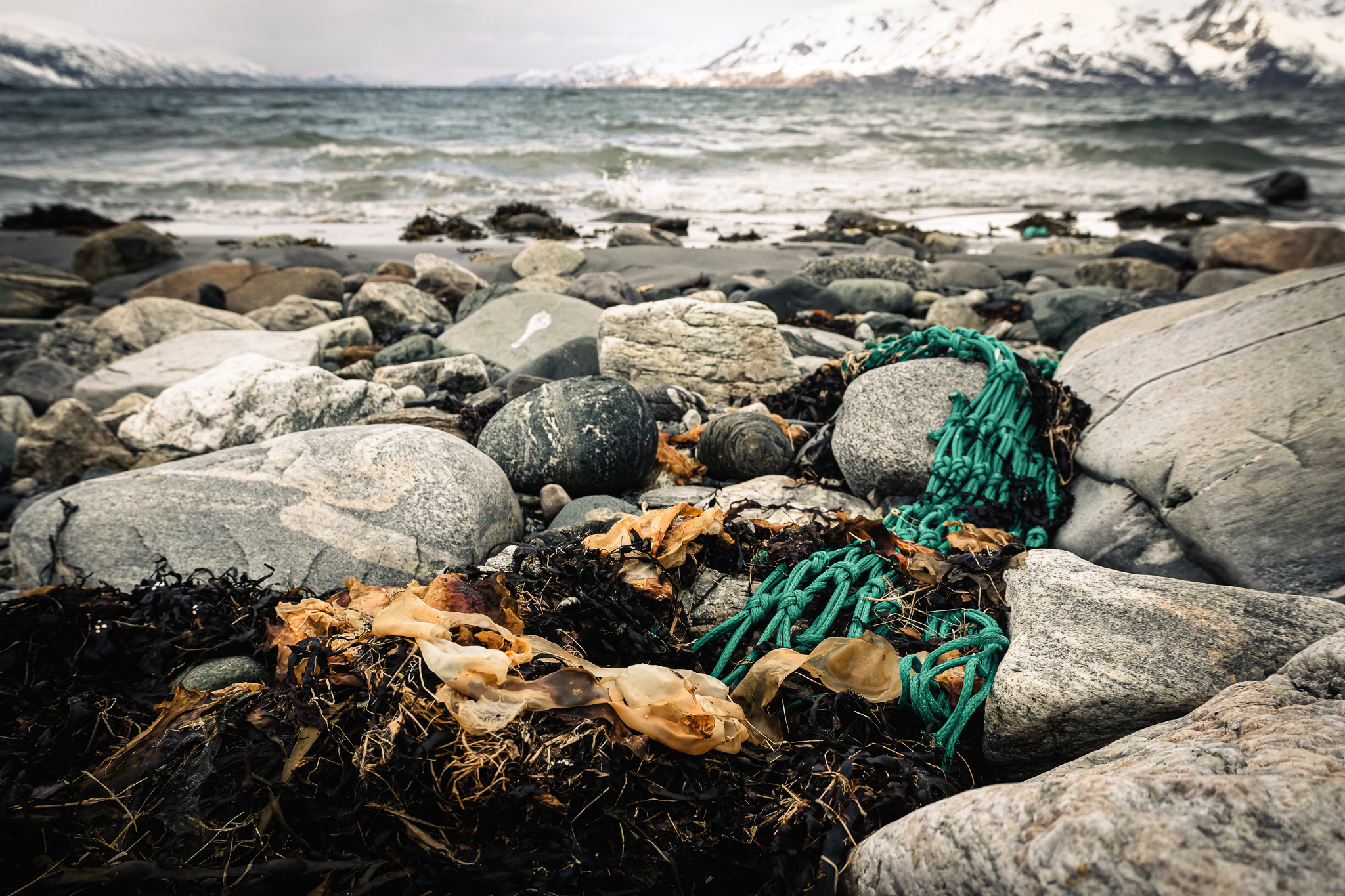
Almost half of the plastic waste that ends up on Norwegian beaches comes from the fishing and aquaculture industries. Now, the government wants producers to take responsibility for ensuring that more is collected and reused.
"Plastic is one of the world's fastest growing environmental problems. Plastic pollution is harmful to nature and human health. Fishing and aquaculture equipment litters the oceans and beaches, causing microplastics to spread in the environment. We believe that manufacturers must pay to collect and process such equipment," says the Norwegian Climate and Environment Minister Andreas Bjelland Eriksen in a press release.
Microplastics and ghost fishing
According to the Norwegian Environment Agency, as much as 46 percent of plastic waste on Norwegian beaches comes from fishing and aquaculture - most of which is produced from within Norway. Examples of waste found during beach cleanups include rope scraps, pieces of nets, buoys, and trawl bags. Lost equipment breaks down into microplastics and spreads over long distances. Lost fishing gear also leads to ghost fishing, because old nets and traps continue to catch fish and shellfish.
Changed measures in ocean waste management
"Today, we are placing the responsibility where it belongs - it is those who dispose of waste that foot the bill. This scheme will help ensure that producers bear the costs of collecting and handling waste," says Eriksen.
Those producing the waste must now ensure that the waste is collected, so that materials can be recycled and do not end up in the wrong place. They must also pay for the waste to be handled. Producers and importers must register with and pay a "producer responsibility company" approved by the Norwegian Environment Agency. The producer responsibility company then ensures that the waste is collected and reused. In addition, producers must engage in awareness-raising activities aimed at users to promote responsible use and reduce littering. Through this producer-responsibility scheme, Norway is following up on the EU directive on plastic products.
Source: The government