
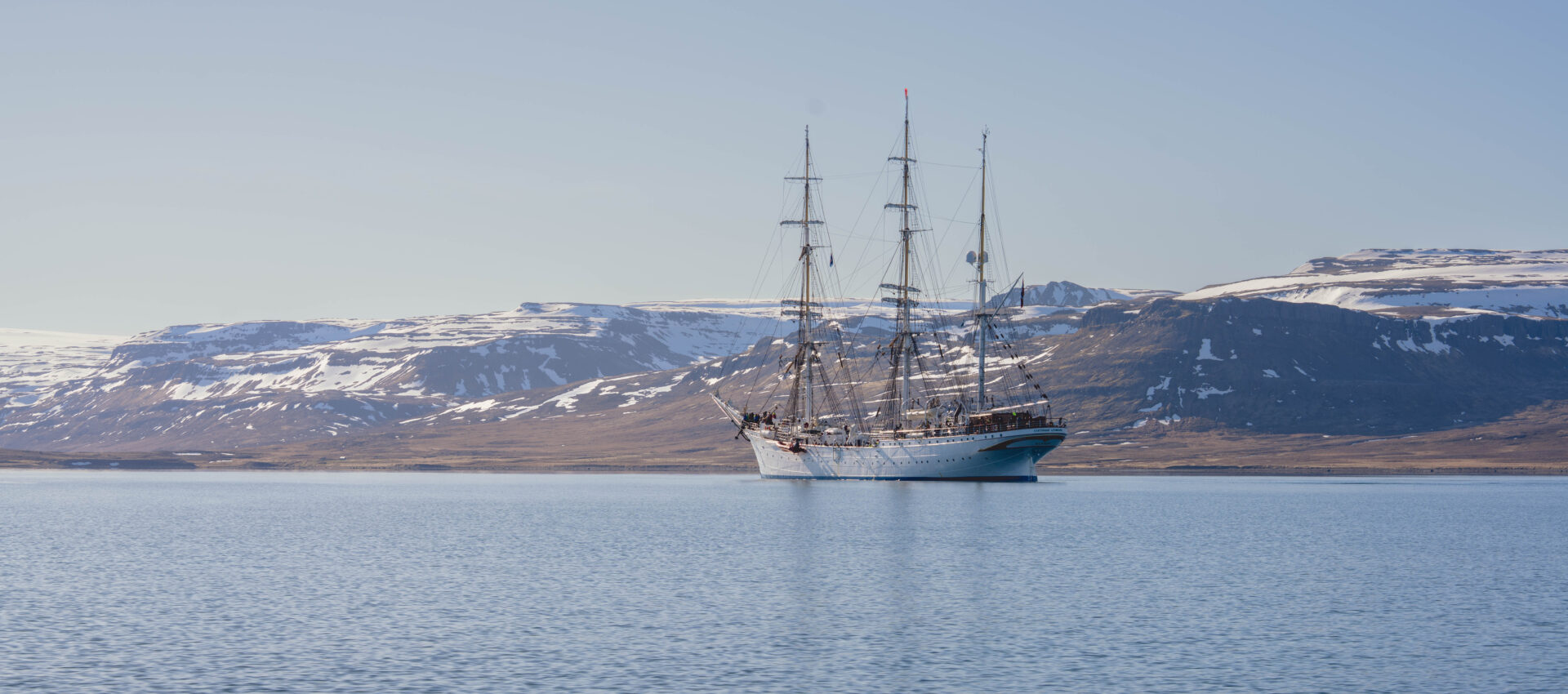
How do you measure the sustainability of a one-year ocean expedition? A new sustainability report from PwC and Statsraad Lehmkuhl documents the carbon footprint, environmental impact, and social conditions during the One Ocean Expedition 2025–2026.
Text: Helene Spurkeland / Lehmkuhl.no
For Statsraad Lehmkuhl, sustainability is about more than just calculating greenhouse gas emissions. That is why the report also covers water consumption, waste management, safety, diversity, and training. The report was prepared by PwC as part of its partnership with Statsraad Lehmkuhl and is based on data collected throughout the year-long voyage.
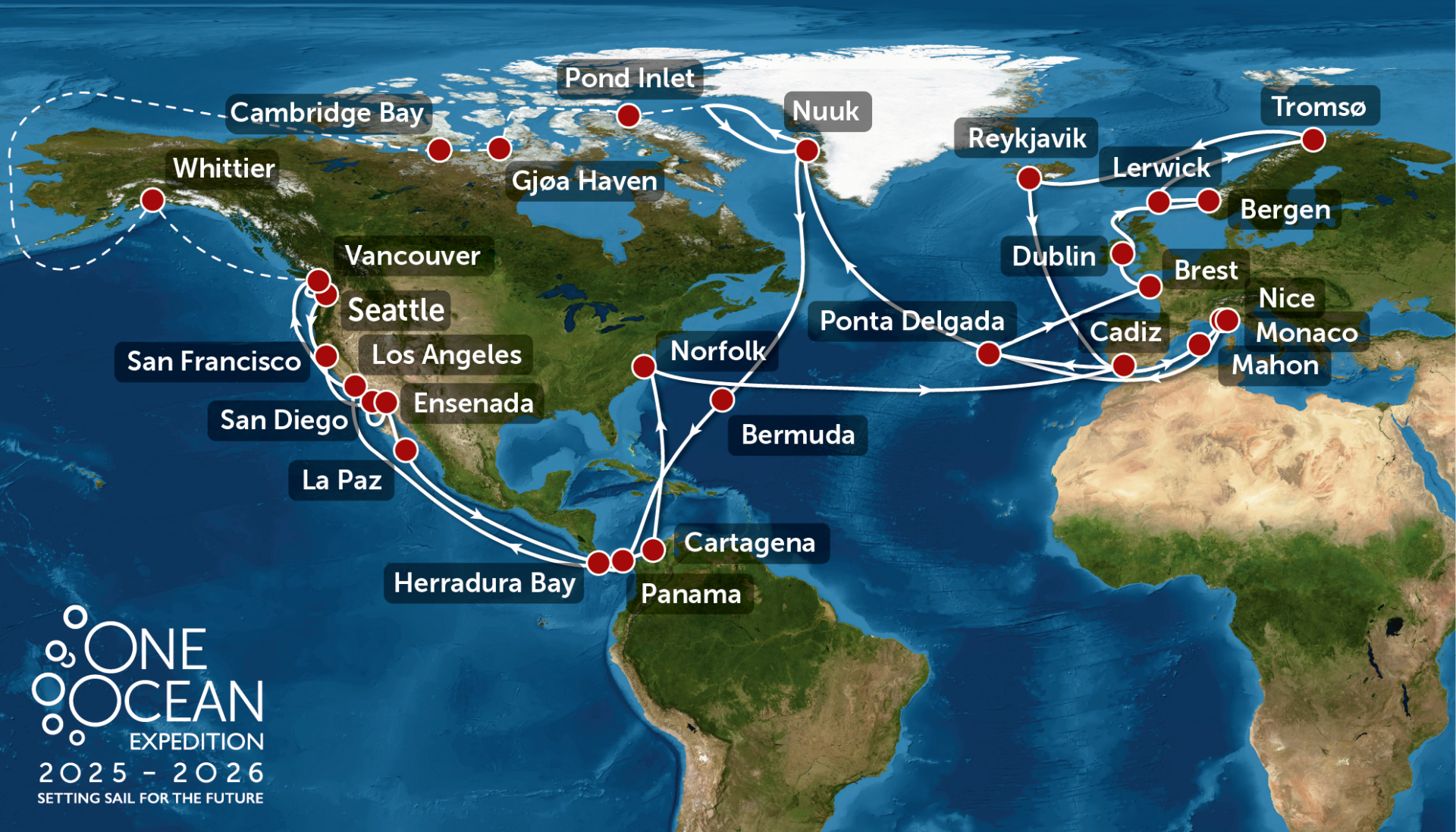
During the One Ocean Expedition 2025–2026, the Statsraad Lehmkuhl sailed nearly 35,000 nautical miles and visited 27 ports on three continents. The dotted line shows the originally planned route through the Northwest Passage, which had to be rerouted due to sea ice caused by rising temperatures in the Arctic.
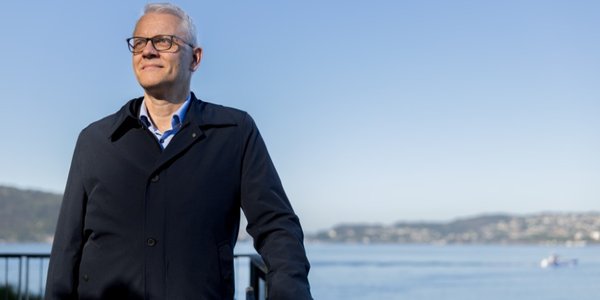
Haakon Vatle, director of the Statsraad Lehmkuhl Sailing Ship Foundation and expedition leader for the One Ocean Expedition, believes the report is a natural part of the expedition’s goal to raise awareness and share knowledge about the ocean’s vital role in a sustainable future.
– The One Ocean Expedition is about fostering a passion for the ocean and inspiring action. To do that, we must also be transparent about our own environmental footprint. This report highlights both our successes and the areas where we still face challenges. It is only when we are honest about both that we can learn and improve. At the same time, the figures must be viewed in light of the expedition’s purpose. Research, education, and international collaboration aren’t just add-ons—they are the very purpose of the One Ocean Expedition,” says Vatle.
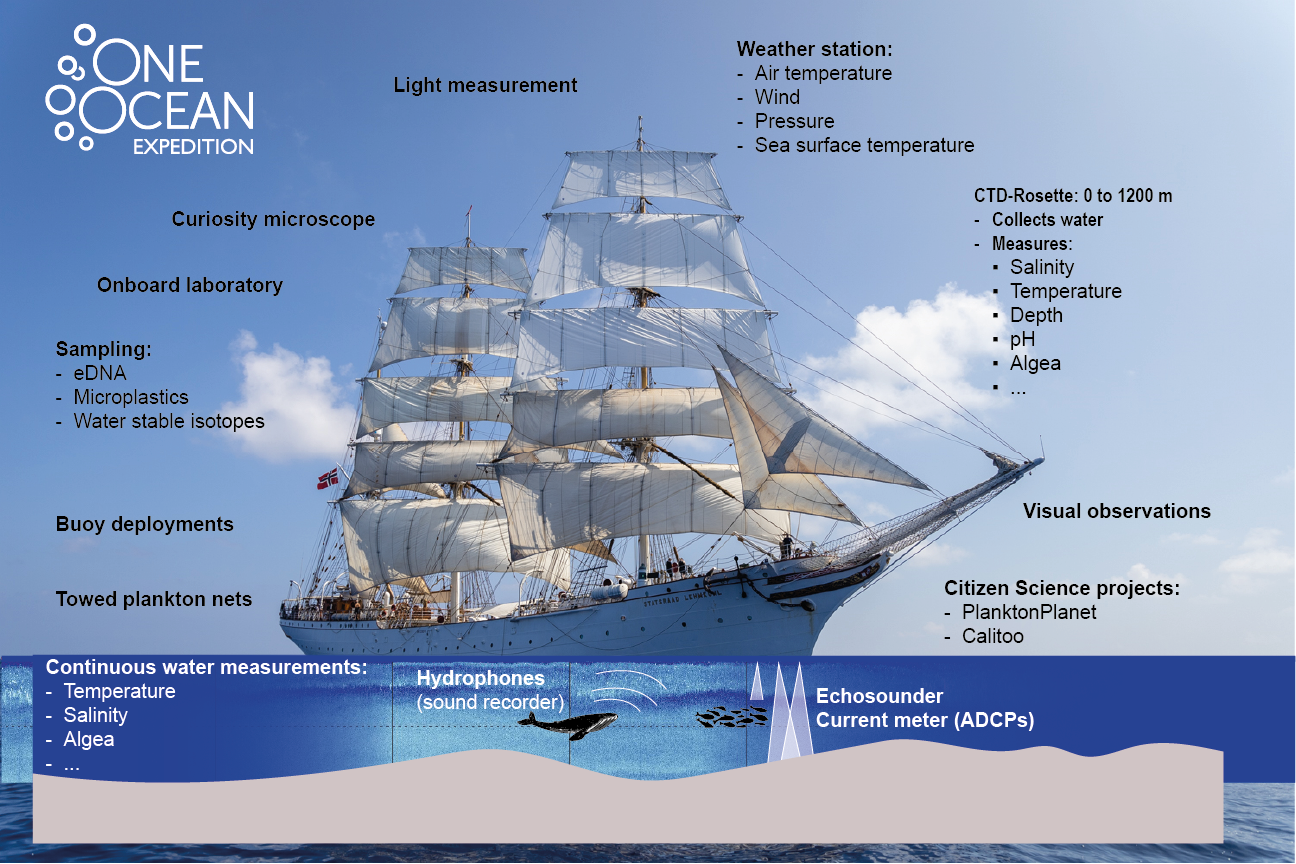
The Statsraad Lehmkuhl is equipped with a range of advanced scientific measuring instruments that continuously collect data on the ocean and the atmosphere.
More Than Just a Climate Report
The report covers, among other things, the expedition’s total greenhouse gas emissions, percentage of time under sail, water consumption, waste management, air emissions, as well as social factors such as safety, diversity, and training. It thus provides a more comprehensive picture than a climate account alone.
For PwC, it has been important that the report presents the full picture—both the strengths and the challenges.
– All activities leave a footprint. The goal of the report is to provide an honest picture of the expedition, including both its positive social impact and the environmental burden it entails. At the same time, the report aims to provide insights that enable us to learn and improve. Information creates insight, and insight can drive change, says Hanne Sælemyr Johansen, partner and sustainability auditor at PwC.
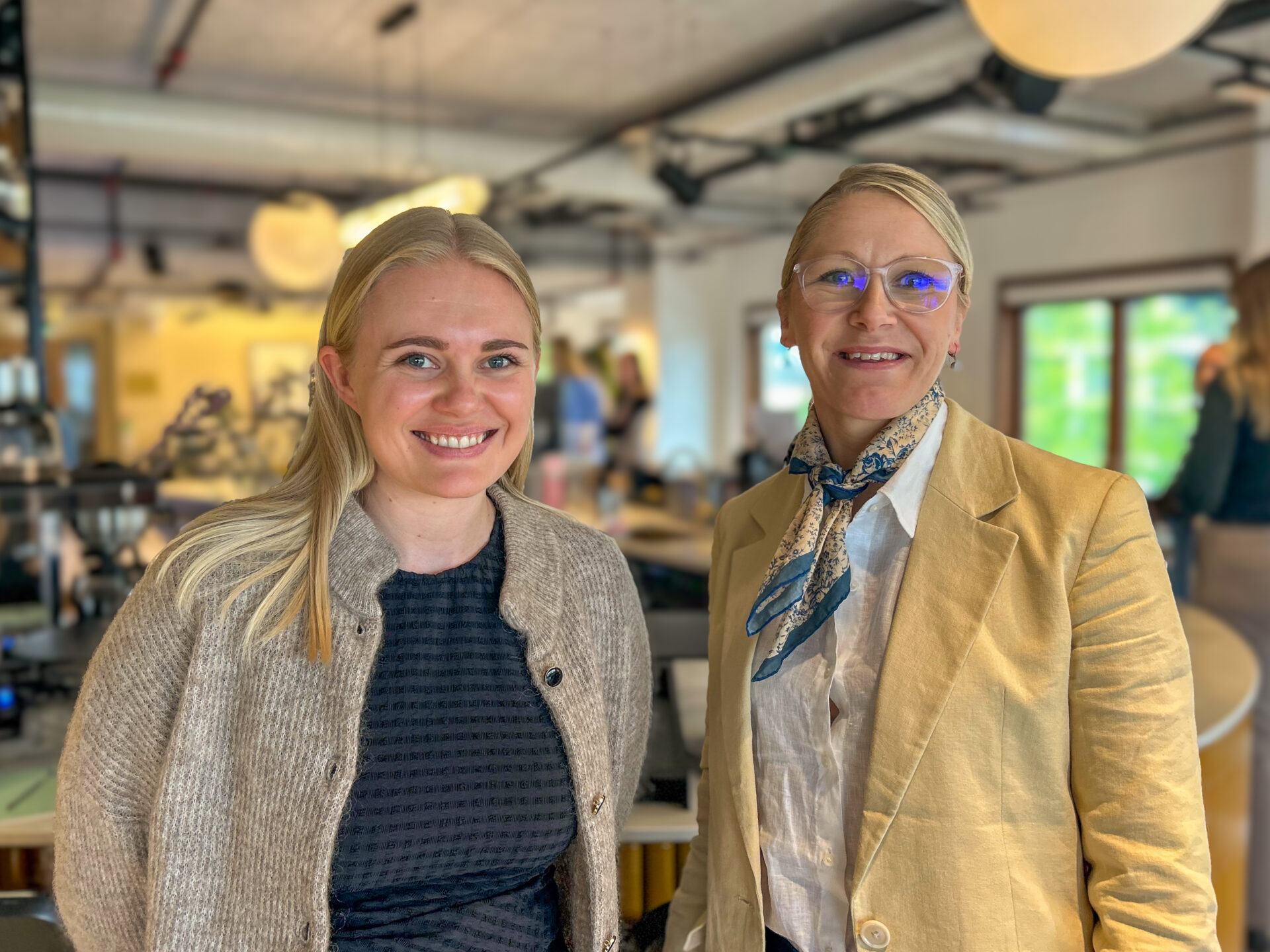
Hanne Sælemyr Johansen (right), partner and sustainability auditor at PwC, led the work on the sustainability report. Pictured here with sustainability advisor Karoline Westre, who was part of the project team. Photo: Helene Spurkeland
She emphasizes that the report goes far beyond mere CO2 measurements:
– Climate is an important aspect of sustainability, but not the only one. That is why we have also examined environmental impact, resource use, safety, diversity, training, and international cooperation. It is the sum of these factors that provides a comprehensive picture of the expedition’s sustainability.
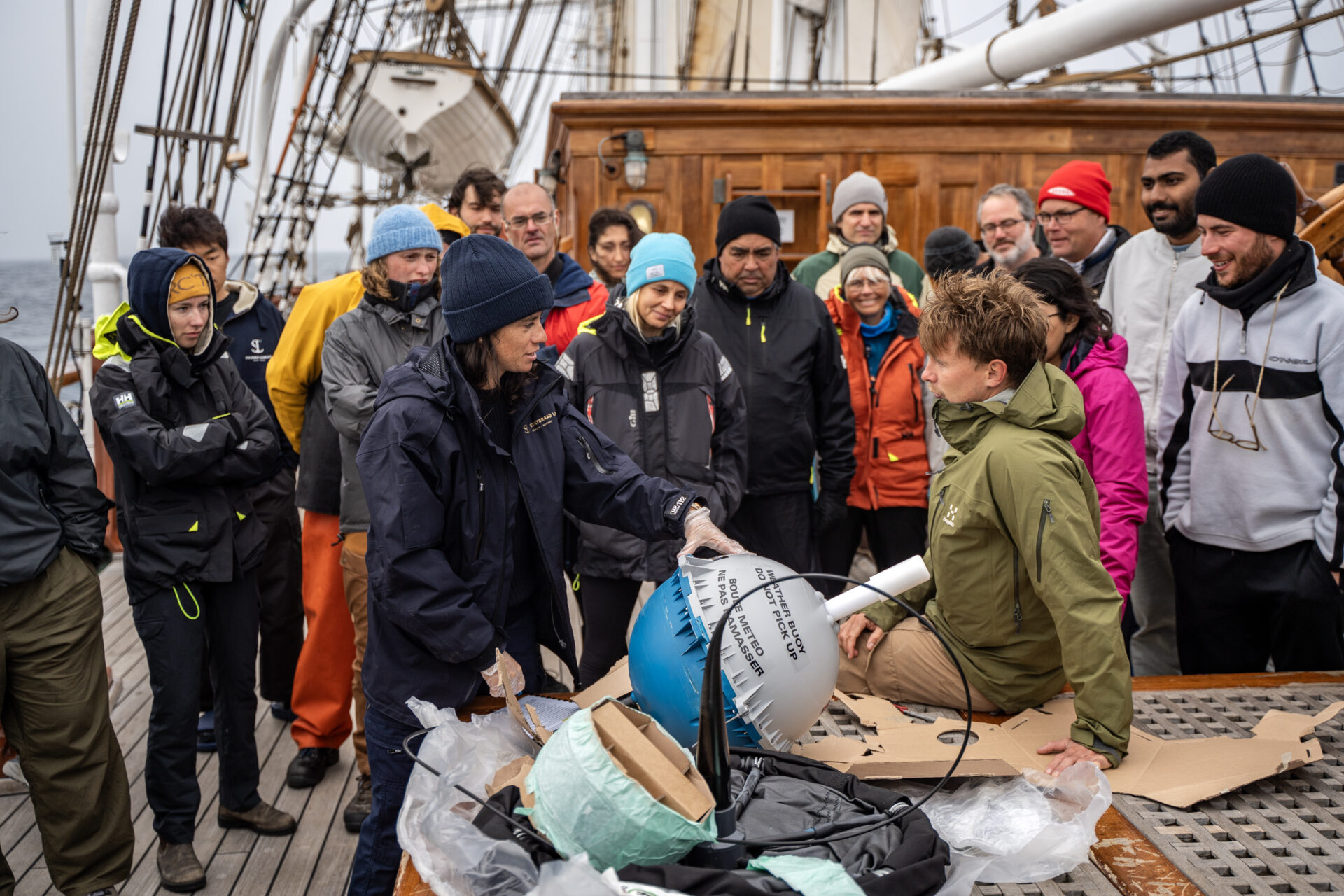
Research Coordinator Natacha Fabregas is teaching the expedition crew how to use the research buoy on board. Photo by Malin Kvamme.
The figures must be viewed in context
One of the findings highlighted in the report is that sustainability cannot be measured using a single key metric
For example, the percentage of time spent sailing was lower during this expedition than during the first One Ocean Expedition (2021–2023). This is partly because the 2025–2026 expedition had a more extensive program of research, education, and international events. Scientific sampling, courses, conferences, and longer stays in port affected both route selection and progress along the way.
The report shows that travel to and from the ship accounted for a significant portion of the expedition’s total carbon footprint. At the same time, this travel made it possible to bring together researchers, students, and participants from around the world for research, teaching, and collaboration on ocean-related topics.
A tool for further development
The insights from the report will be actively incorporated into the planning of the next One Ocean Expedition.
“I would like to extend my sincere thanks to PwC for preparing this report as part of their partnership with One Ocean Expedition. The report provides us with a valuable foundation for learning, continuing to develop, and making even better decisions as we plan the next expedition in 2028–2030,” concludes Haakon Vatle.
Download the full sustainability report here.
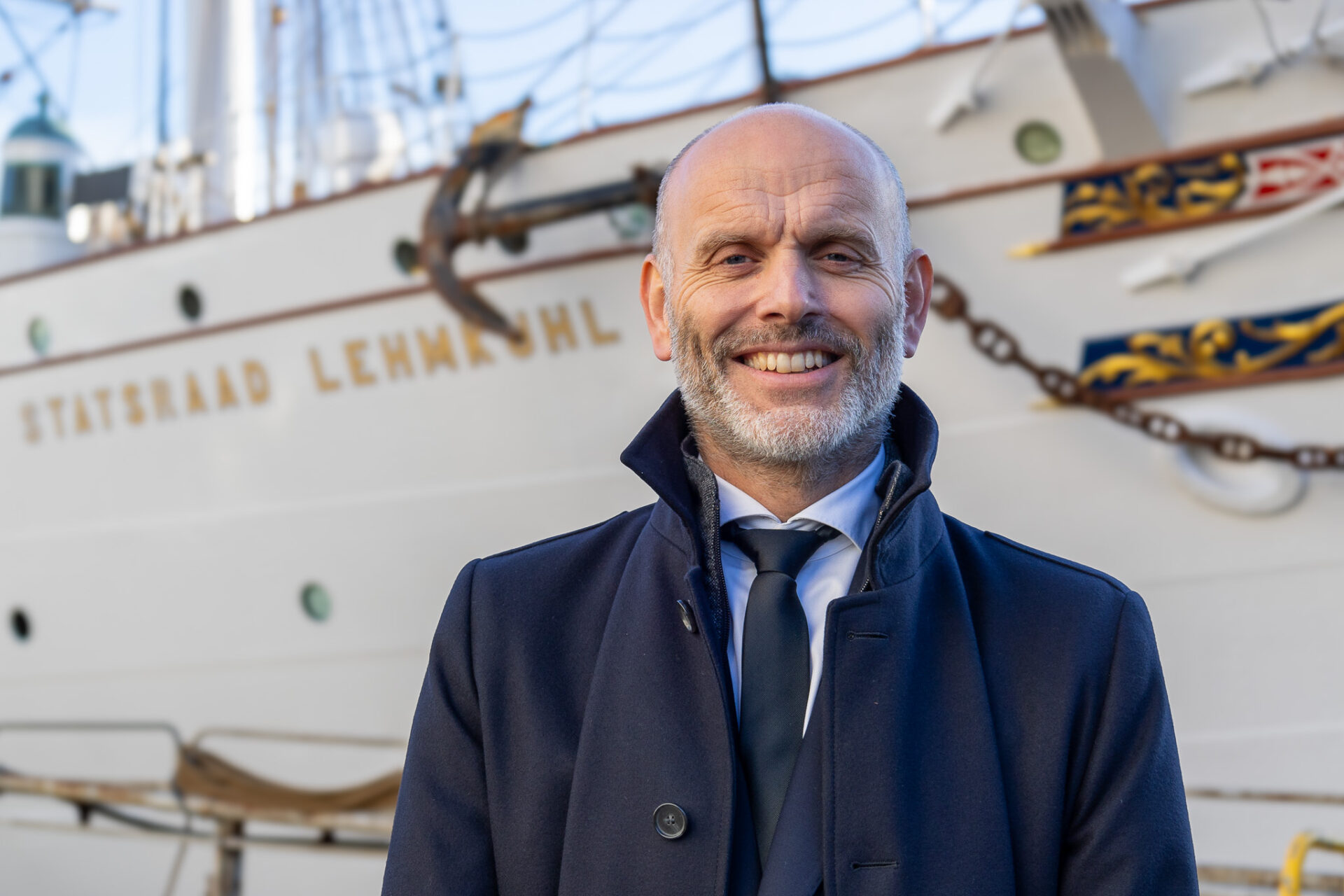
Haakon Vatle, director of the Statsraad Lehmkuhl Sailing Ship Foundation and expedition leader for the One Ocean Expedition. Photo: Helene Spurkeland
Facts: One Ocean Expedition 2025–2026
• 34,604 nautical miles sailed
• 27 ports visited on three continents
• 1,330 participants from 47 countries
• Over 17,000 visitors at events in the ports
• Over 1,000 manual water and environmental samples collected
• Automatic ocean and atmospheric measurements taken over more than 31,000 nautical miles
• Average water consumption: 75 liters per person per day (compared to approximately 140 liters in an average Norwegian household)
Read more about the research being conducted on board here (English).