News

Artificial fish reef will bring new life to Store Lungegårdsvannet

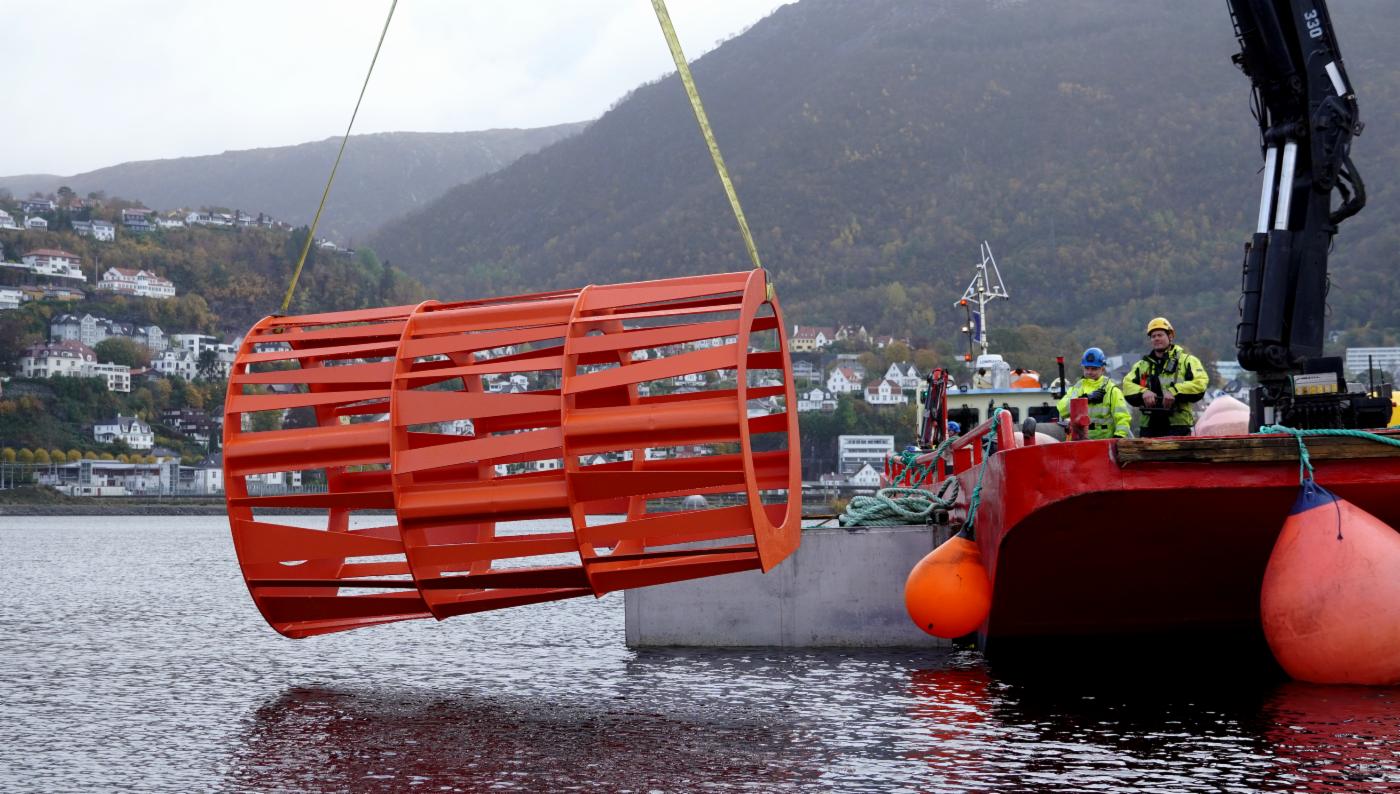
An artificial reef is held over Store Lungegaardsvann with a crane.
NEW HOME: The artificial reef was lowered to a depth of 14 meters in October. Now we hope it will become a nice hiding place for fish and animals in Store Lungegårdsvannet. Photo: Håvard Prestegården

Published:

Text:

Share on

A huge, rust-red metal cylinder has been lowered to the bottom of Store Lungegårdsvannet. It will provide shelter for crabs, small and large fish - maybe even eels?

The reef, which weighs 1.5 tons and is shaped like a large "O", is a gift from the Aquarium to The City of Bergen.

- It's made of scrap metal from Helge Ingstad," says Aquarium Director Terje Breivik. 

He is referring to the frigate KNM "Helge Ingstad", which sank in Hjeltefjorden in 2018 after a collision with a tanker.

A new hiding place

The artificial reef is located on the seabed
WANTING IT CLEAN: This is an image from the diver's helmet camera. The new seabed in Store Lungegårdsvann is fairly flat and actually tidier than it needed to be. Many species want it a little messy, for example in the form of a reef construction. Image: IMC Diving

The reef has been an ornament on the Aquarium's roof for a few years. Now it's going to be put to good use as a shelter at a depth of 14 meters.

- "We created a new seabed in Store Lungegårdsvannet just over a year ago. We can already see that life is returning, which is incredibly nice," says Anne Christine Knag, head of the Urban Environment Agency's Cleaner Port of Bergen project.

In the years to come, the Cleaner Port project will closely monitor developments at the seabed. 

Among other things, the project is collaborating with NORCE, which is studying the effect of the measures in Store Lungegårdsvannet.

The checks show that the number of both species and individuals has skyrocketed since the old, contaminated seabed was covered. 

- But in Store Lungegårdsvannet there is a lack of good hiding places for fish and animals," says Knag.

Hopefully, the reef will now grow with seaweed, kelp and algae.

Anne Christine Knag with journalist and photographer from Bergensavisen
IS LEADING THE PROJECT: Anne Christine Knag is the project manager for Cleaner Port of Bergen. Here she is being interviewed by BA. Photo: Håvard Prestegården, The City of Bergen

- It will provide even better shelter for wildlife. "There are already a lot of fish in the area, there are crayfish, and maybe an eel or two? That would be fun," says the project manager.

Read more about the project on Bergen municipality's website.

Text: Håvard Prestegården.
More cases

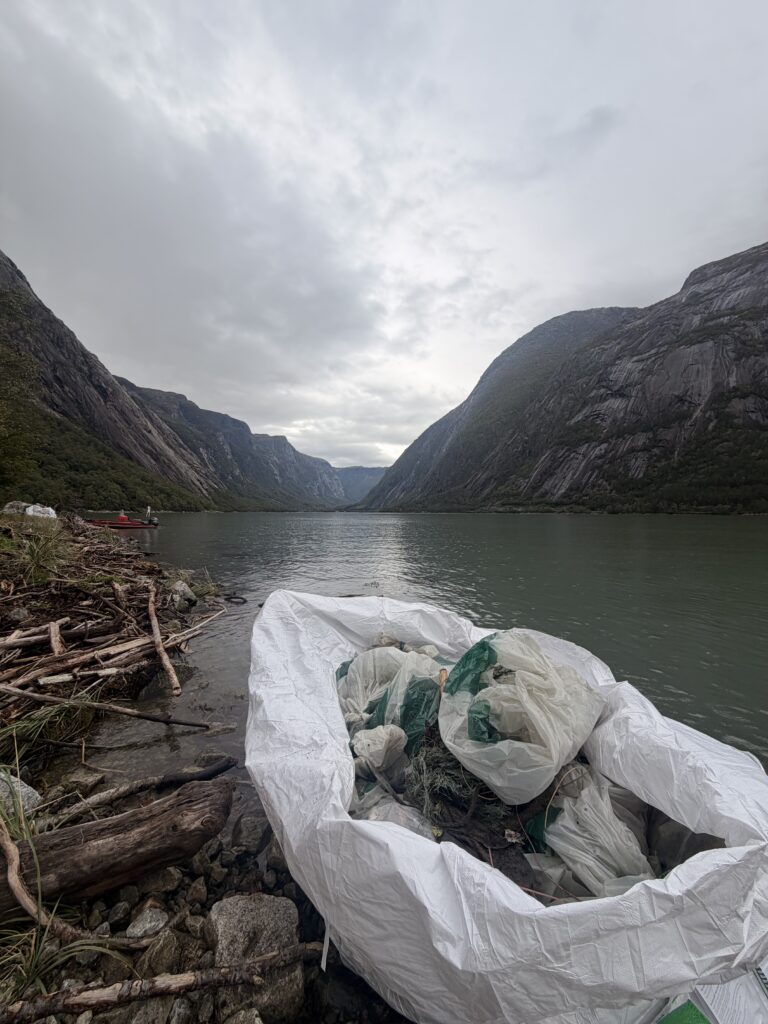
bag of trash by the Hardangerfjord

The Hardangerfjord Reindeer Rescue Operation: Several metric tons of reindeer carcasses were recovered from Simadalsfjorden

The FF Crown Prince Haakon arrived at the North Pole earlier this summer. The ship is now back in Longyearbyen. Photo: Vegard Stüerzinger/Polhavet 2050/Norwegian Polar Institute

Back after 50 days in the Arctic Ocean

Ole Arthur Vaage, head of Ragn-Sells Havbruk, hopes that the world's first plant to convert fish slurry into animal feed will be up and running in Norway in four to five years. (Photo: Elias Dahlen)

Plans to invest over one billion kroner in turning salmon waste into a raw material

Stay up to date with our newsletter

"*" required field

This field is for validation purposes and must remain unchanged.
keyboard_arrow_up