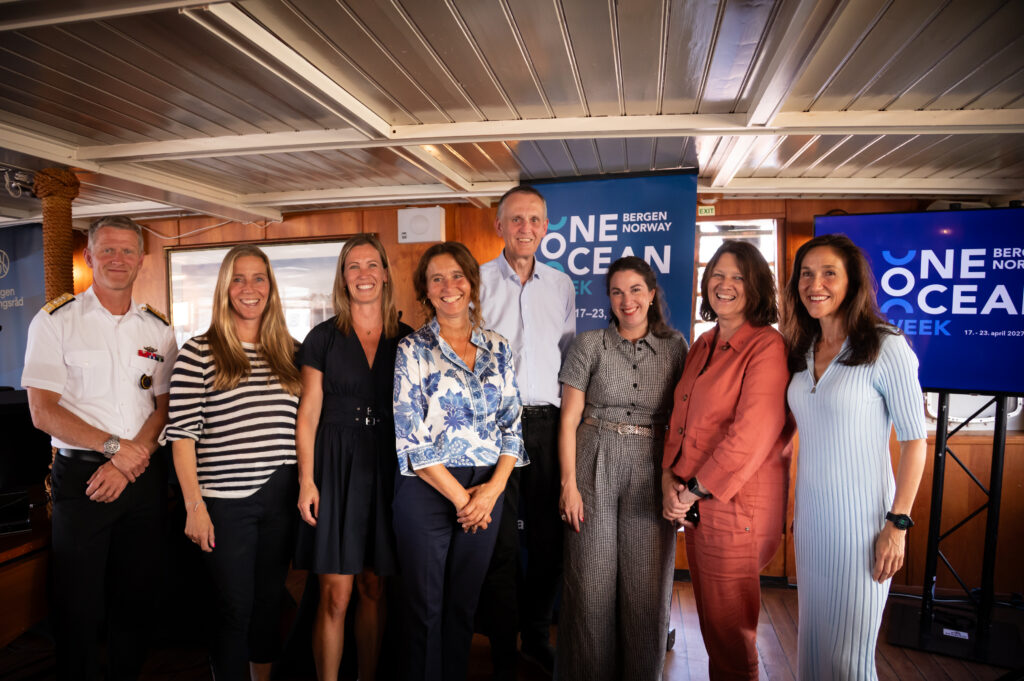

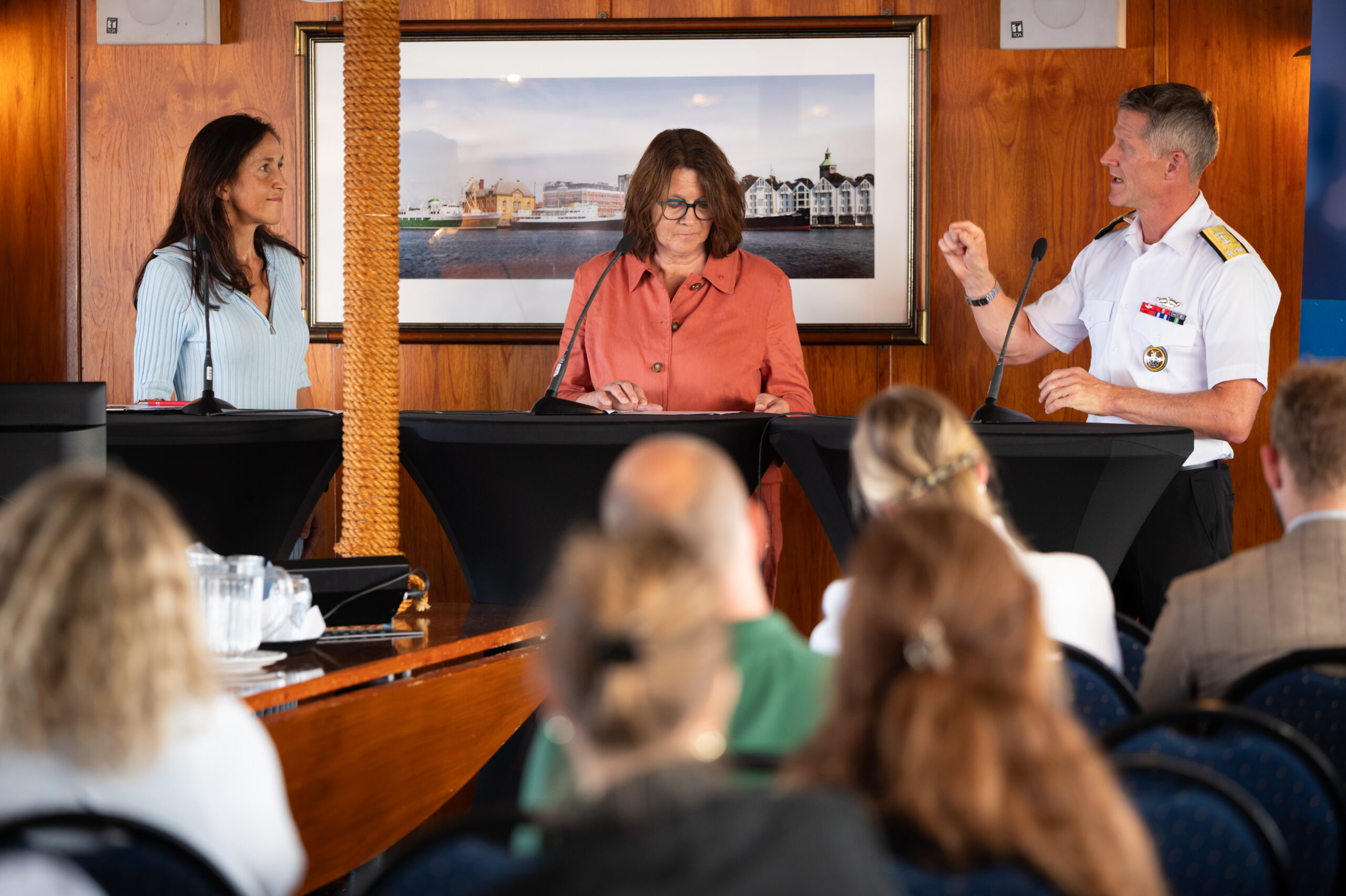
How can the ocean be used as a forum for cooperation, security, and stability in an era marked by geopolitical turmoil? This was the topic of discussion when leading figures from the fields of research, business, defense, and government gathered for the panel discussion “The Ocean as a Forum for Cooperation, Security, and Stability” during Arendalsuka.
The event was organized by the Norwegian Institute for Marine Research ( One Ocean, Bergen, Norway ) aboard the Vestlandsbåten MS Sandnes. The panel discussed how knowledge, technology, and international cooperation can contribute to safety, sustainable management, and value creation in marine areas.
The ocean is becoming increasingly important
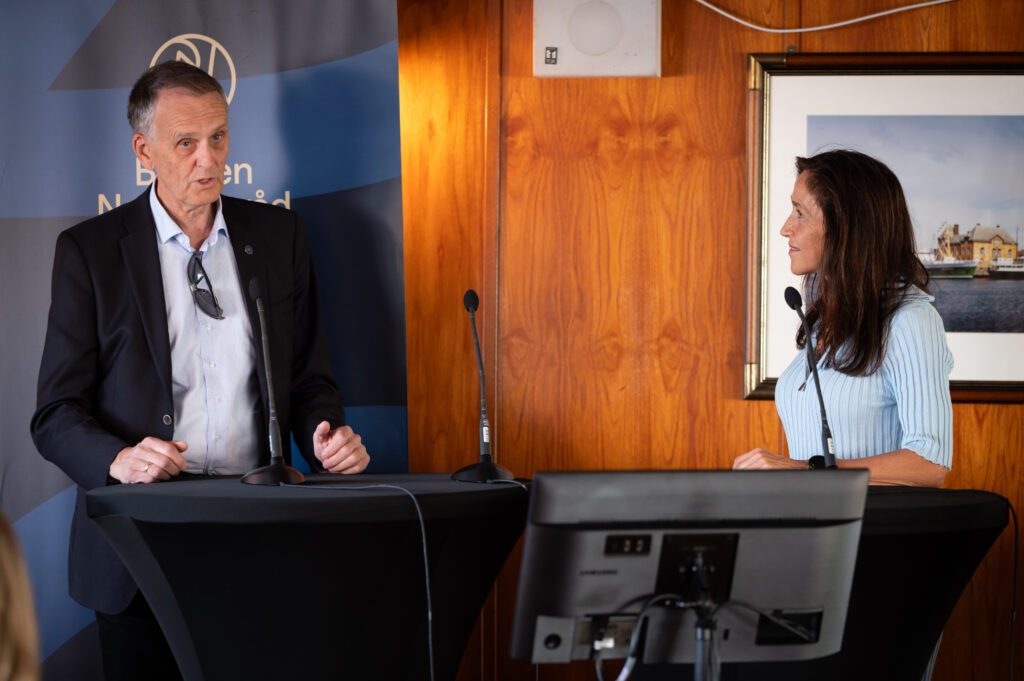
Peter Haugan, a research director at the Institute of Marine Research, pointed out that the ocean has taken on a much more prominent role on the international agenda than before.
“Understanding the ocean has become a concept we hardly ever talked about ten years ago. When European Commission President Ursula von der Leyen highlights ocean observation as a key priority, it shows that the ocean has taken on new strategic importance,” Haugan said.
At the same time, he expressed concern that rising geopolitical tensions could make international cooperation more difficult.
“The U.S. accounts for more than half of the surveillance in the world’s oceans. It’s unclear whether they will continue to share all this information. So we have to ask ourselves who can step in if a gap emerges,” he said.
Haugan also emphasized the importance of maintaining dialogue in areas where cooperation is still effective.
– We have been cooperating with Russia on fisheries management in the Barents Sea for many years, and we continue to do so. It is important that we get the system up and running so that we can continue to communicate with each other.
Norway must ensure sustainable value creation
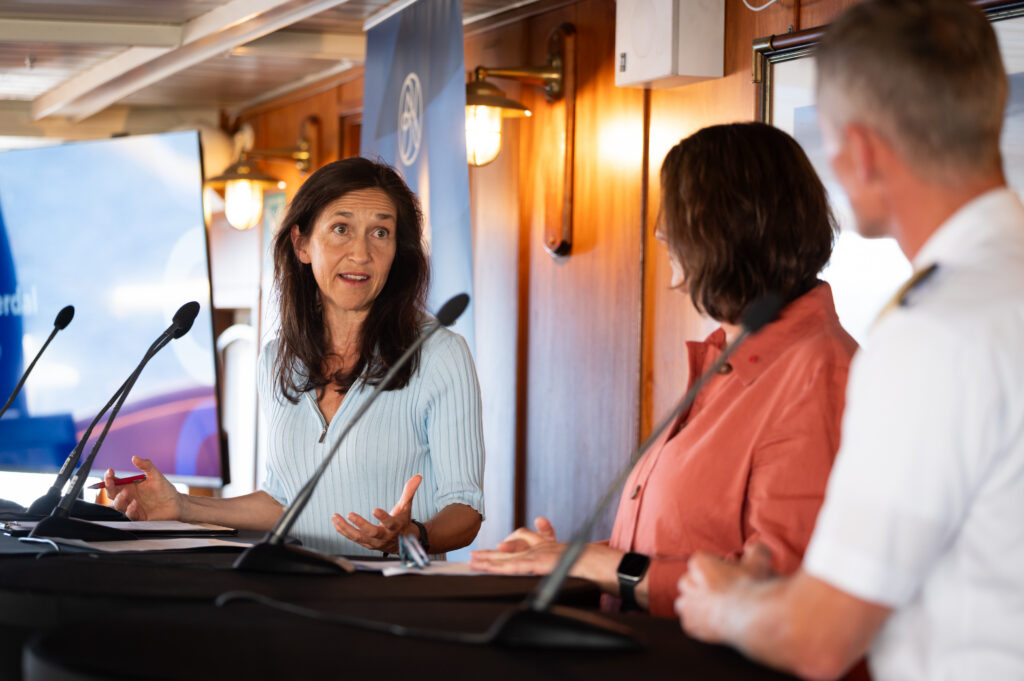
State Secretary Kristina Hansen of the Ministry of Fisheries and Coastal Affairs highlighted Norway's strong connection to the sea.
“Norway is a major maritime nation. We have more ocean than land, and a large portion of our wealth comes from maritime industries. That is why it is crucial to continue creating value in a sustainable way,” she said.
Hansen pointed out that knowledge of the ocean is important for resource management, sovereignty, and international cooperation.
She also noted that Norway is seeking closer cooperation with European countries in the maritime sector.
– The United States is perceived as more unpredictable than before. As a result, Norway and Canada are looking more toward Europe. The EU aims to become a world leader in ocean observation through the Ocean Eye initiative, and the government has decided that Norway will participate.
Defense spending increases must benefit society as a whole
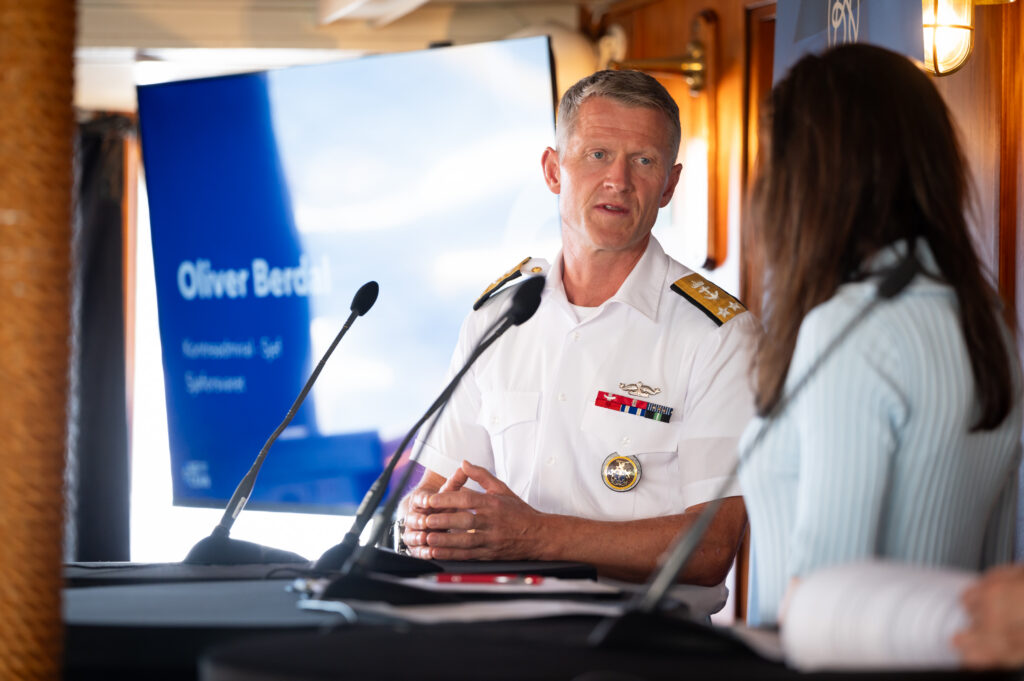
The Chief of the Norwegian Navy, Oliver Berdal, described the current situation as one marked by challenges that no country can solve on its own.
“The problems we face in the areas of security policy, climate, and the environment are collective challenges that require collective solutions. Even though Norway is a resource-rich nation, we cannot manage this on our own,” Berdal said.
He emphasized the importance of research and knowledge sharing, and highlighted the need to maintain low tensions in the High North.
– We’ve shared a border with Russia for a long time. We need to find the right balance to help ensure that the High North and the Arctic remain regions with as little tension as possible.
Berdal also emphasized that the historic defense buildup currently underway must yield benefits beyond the purely military.
– When society invests more in defense, we must ensure that we get the most out of those investments. It’s not just about military strength, but also about what this can contribute to society as a whole.
He highlighted the Coast Guard as an important example.
– The Coast Guard carries out missions for a number of agencies and directorates along the entire coast. It is an important asset for Norway, not just for the Armed Forces. At the same time, the Navy is the military force tasked with helping to prevent conflict and defend Norway and NATO should it become necessary.
Knowledge and collaboration are the key
The meeting brought together representatives from the research community, the business sector, the defense sector, and government agencies. The discussion ranged from geopolitics, the EU, and the UN to technology, maritime surveillance, telecommunications, civilian shipping, and cooperation between civilian and military actors.
A recurring message from the panel was that greater knowledge of the ocean, more cross-sectoral collaboration, and stronger international partnerships will be crucial in the years ahead.
In an era of growing geopolitical competition and the struggle for resources, the ocean was highlighted as both an arena for cooperation and an area where safety, sustainability, and security must be developed hand in hand.