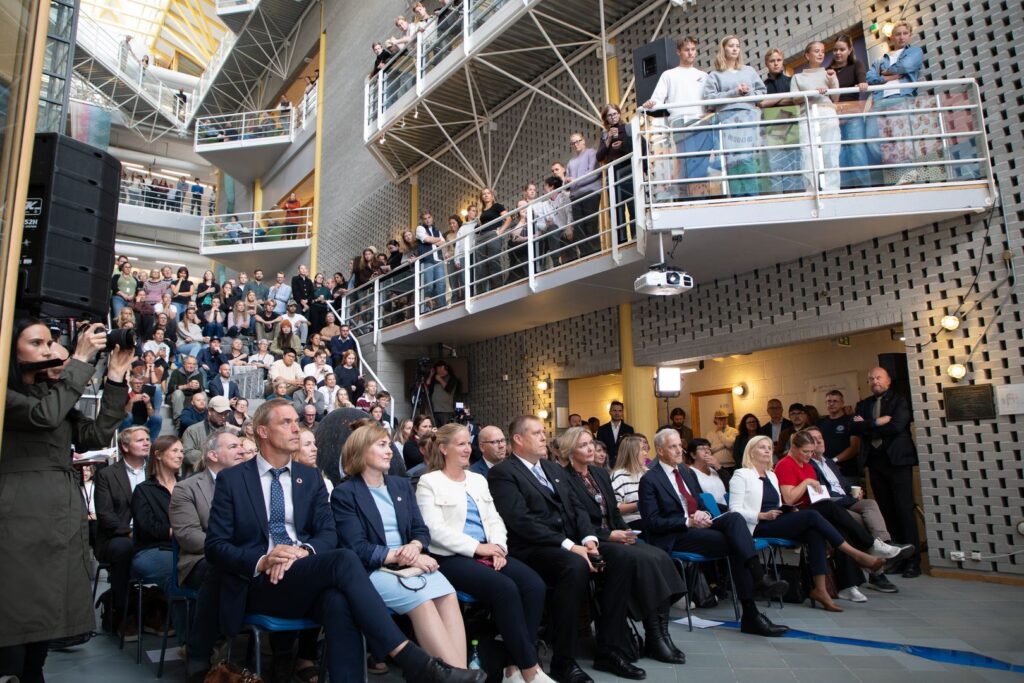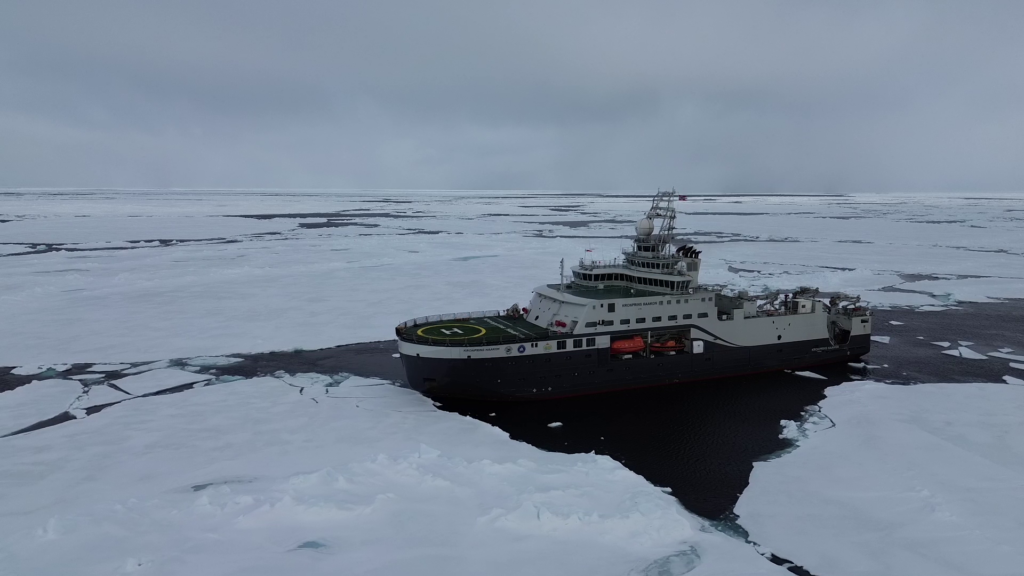

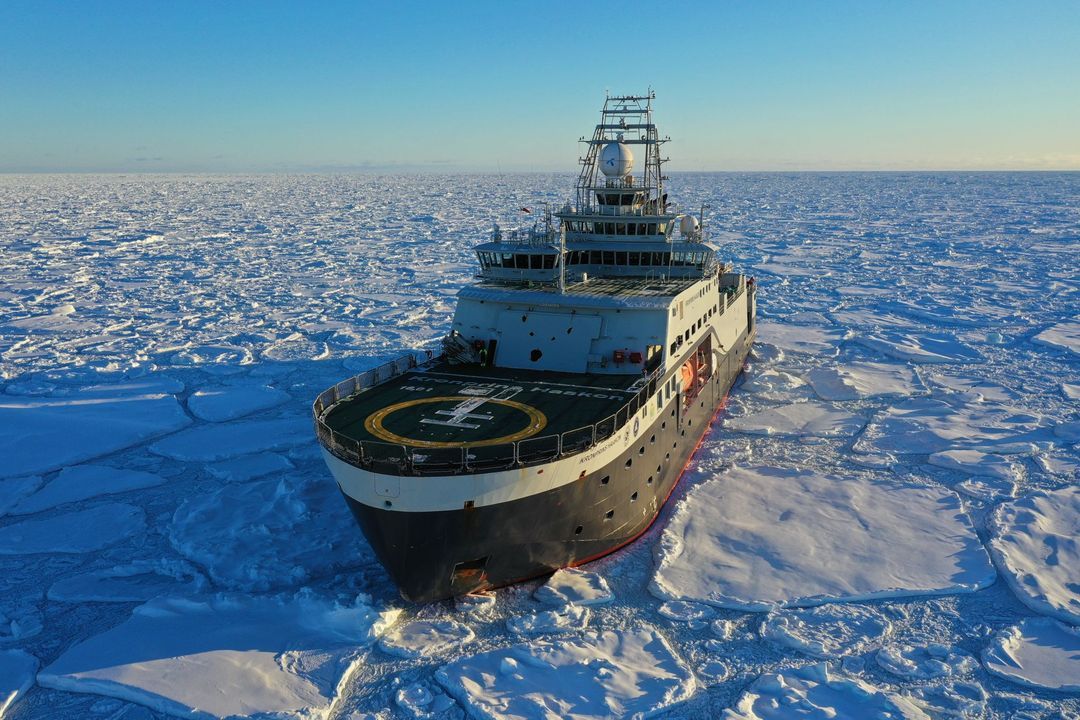
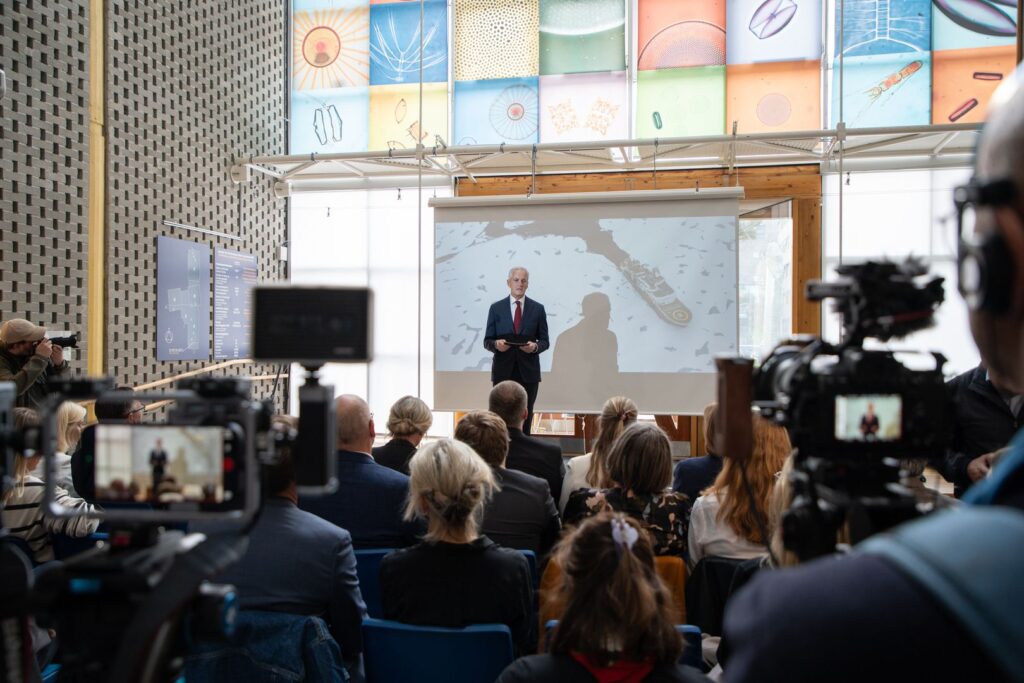
Prime Minister Jonas Gahr Støre pledged one billion kroner to Polhavet 2050. The Institute of Marine Research will be a key contributor.
“The Arctic Ocean is changing. From a historical perspective, it’s nothing short of dramatic—as the ice melts and the ocean changes color from white to blue. We know some things, but the most important thing is everything we don’t know,” said Støre. This week, he pledged one billion kroner to the research project Polhavet 2050.
– It is gratifying that the government is investing in polar research and Polhavet 2050. The Institute of Marine Research will be a key contributor to this project in the areas of climate research, biodiversity, and international cooperation,” says Nils Gunnar Kvamstø, executive director of the Institute of Marine Research.
The Institute of Marine Research is one of 18 partners in the research project. Visit the " Polhavet 2050 " website here.
Warmer water and less ice
In Tromsø, Maria Fossheim, head of research at the Institute of Marine Research, is both surprised and delighted by the windfall:
“This is a boost for polar research, and something we’ve worked hard to achieve,” says Fossheim, who also serves on the board of Polhavet 2050.
For the Institute of Marine Research, this will involve, among other things, the “Atlanticization” and “borealization” of the Arctic Ocean—warmer waters and less ice, as well as more heat-loving species migrating northward.