
Bergen hopes to host the Ocean Decade Conference in 2030—one of the world’s most important forums for marine research and ocean policy during the United Nations Ocean Decade. Both politicians and the scientific community believe that efforts must be stepped up now if this is to succeed.
The conference will be held in Rio de Janeiro in 2027. The goal is for Bergen to take over as the host city three years later.
Bergen, the Maritime Capital
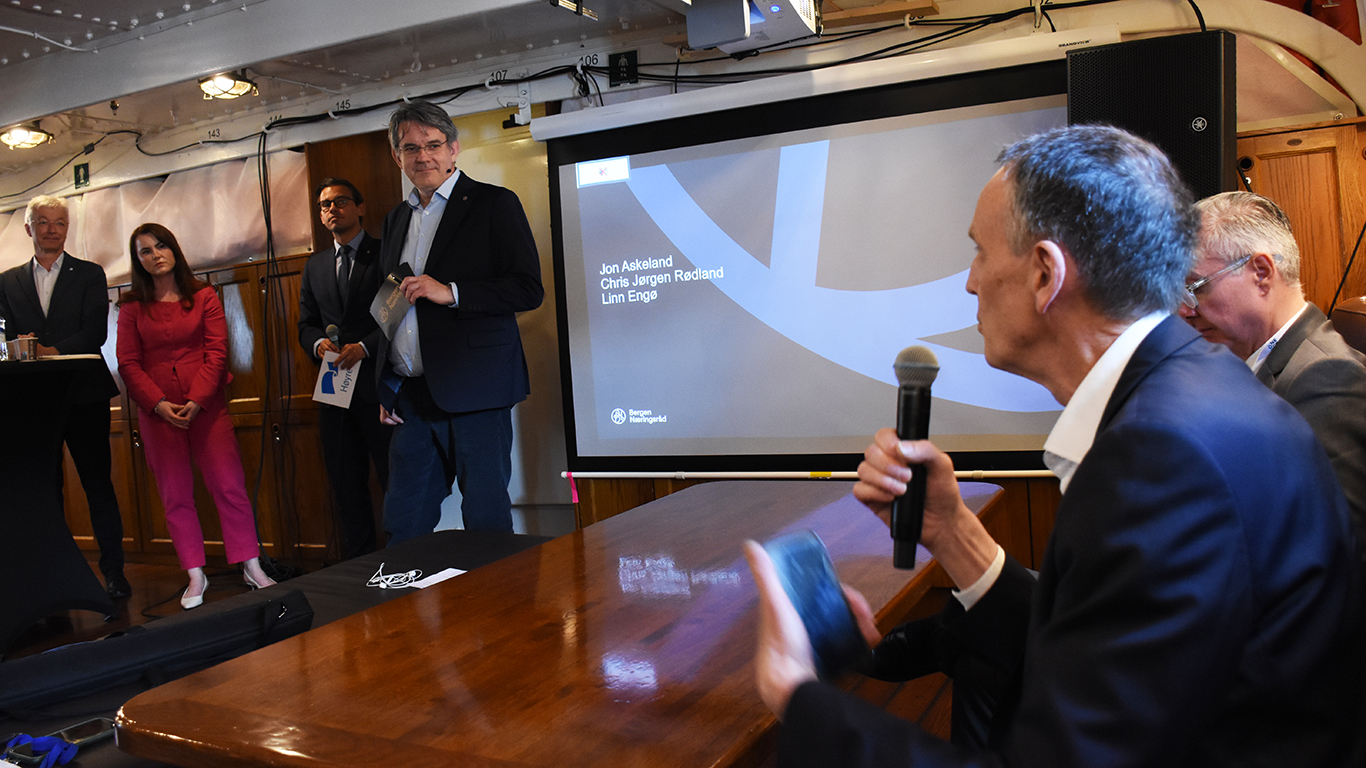
“This is a highly international event that the Norwegian government is formally bidding to host, but it is Bergen that is being positioned as the host city. We are the ocean capital, and that is what the international community expects,” says Jon Askeland, county mayor and chairman of the board of One Ocean Havbyen Bergen.
Askeland points out that the Ocean Decade conference is closely linked to the UN Decade of Ocean Science and requires a strong scientific foundation.
“The Institute of Marine Research in Bergen is among the top five in the world, and together with the University of Bergen and other national institutions, we have strong research credibility,” he says.
Askeland also highlights the Statsraad Lehmkuhl and One Ocean expeditions as key elements of the application.
“The research expeditions and the ship are absolutely crucial to our international profile and are an important part of our student recruitment efforts. We are now pursuing several avenues through international committees, diplomacy, and networks,” he says.
Broad political consensus in Bergen
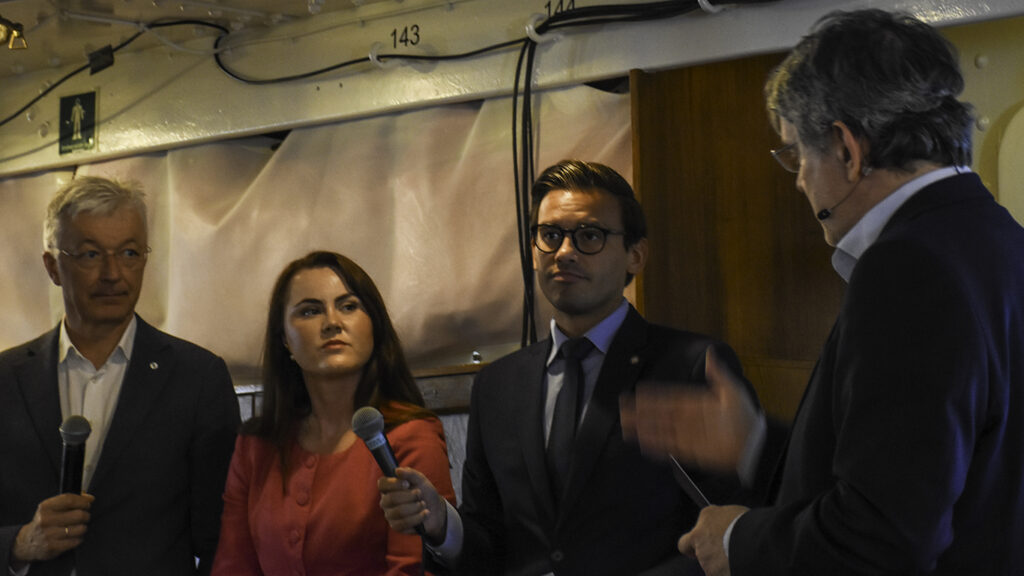
“There is a clear political majority both in Vestland County and on the Bergen City Council to work purposefully toward the Ocean Decade conference in 2030. This has been approved on several occasions,” says Chris Jørgen Knudsen Rødland (Conservative Party).
He believes that Bergen's greatest competitive advantage is the synergy between research and the business community.
“The close collaboration between the research community and the business sector provides us with concrete solutions and innovation for cleaner oceans and a better climate. That’s what sets Bergen apart from many other cities,” he says.
At the same time, he emphasizes the need for national support.
“This isn’t a project Bergen can handle on its own. We need the federal government on our team—this should be a joint national effort,” says Rødland.
“There is overwhelming political consensus that this is an opportunity Bergen must seize. Unanimous decisions by the city council give us a very strong foundation for our future work,” says Linn Kristin Engø (Labor Party).
Does Bergen have the capacity?
Issues related to infrastructure and implementation have been central from the outset of the process.
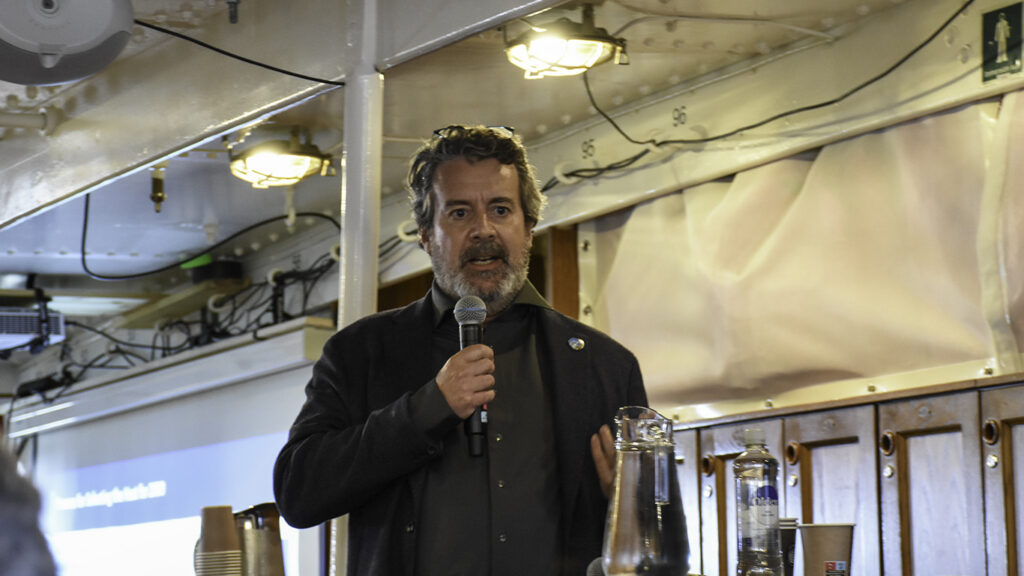
“We have both large hotels and Grieghallen, and the conference will be organized with parallel sessions, as many major international conferences do. It’s entirely possible, but it requires good cooperation throughout the city,” says Engø.
“The organizers are clear that this isn’t about hosting the largest possible conference, but about quality. Bergen has many suitable venues, and I’m convinced this can be worked out—with or without new city venues,” says Jon Askeland.
Bergen Takes a Long-Term View
“We started talking about ‘ United Nations Ocean Decade ’ ten years ago. The fact that Bergen is now systematically building momentum through One Ocean Week every year leading up to 2030 is both strategic and impressive,” says Petter Haugan of the Institute of Marine Research.
Haugan believes Bergen should actively utilize its international network in the years ahead.
“Bergen is a city characterized by newcomers and global connections. In a turbulent world, the ocean can serve as a unifying force. Our ambition should be to invite the world here to take concrete action for the ocean,” he says.
A unique opportunity for Western Norway
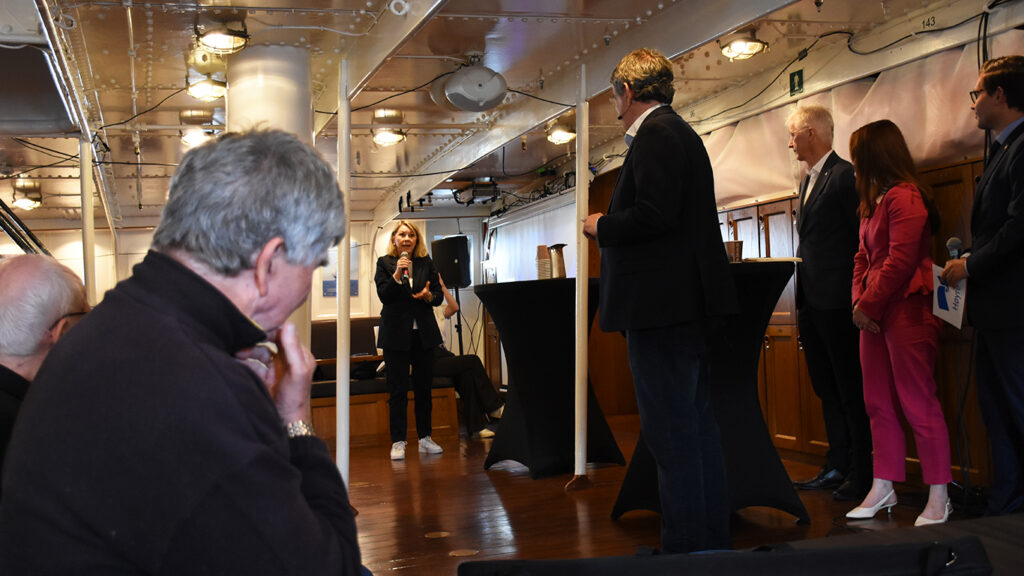
“It’s hard not to get excited. This is about a field in which we’re world leaders—the ocean, seafood, and the entire value chain surrounding them. It gives us a unique opportunity,” says Monica Mæland, CEO of Bergen Chamber of Commerce & Industry.
At the same time, she emphasizes that the work will be demanding.
“This will cost money and require broad cooperation. We also need to convince the government that this is an important and sound investment in Western Norway,” she says.
About the Ocean Decade
The Ocean Decade is an international partnership for the sustainable management of the ocean. It brings together a wide range of partners from around the world to collaborate on revolutionizing ocean science. The partnership focuses on 10 key challenges:
- Understand and Combat Marine Pollution
- Protect and restore ecosystems and biodiversity
- Sustainably feed the global population
- Develop a sustainable, resilient, and equitable ocean economy
- Unlock ocean-based solutions to climate change
- Increase community resilience to ocean and coastal risks
- Sustainably expand the Global Ocean Observing System
- Create a digital representation of the ocean
- Skills, knowledge, technology, and participation for all
- Restore humanity’s relationship with the ocean
The partnership is bringing the world together for the Ocean Decade Conference. In 2027, it will be held in Rio de Janeiro. The goal is to host it in the coastal city of Bergen in 2030.