
Text and photo: NTB
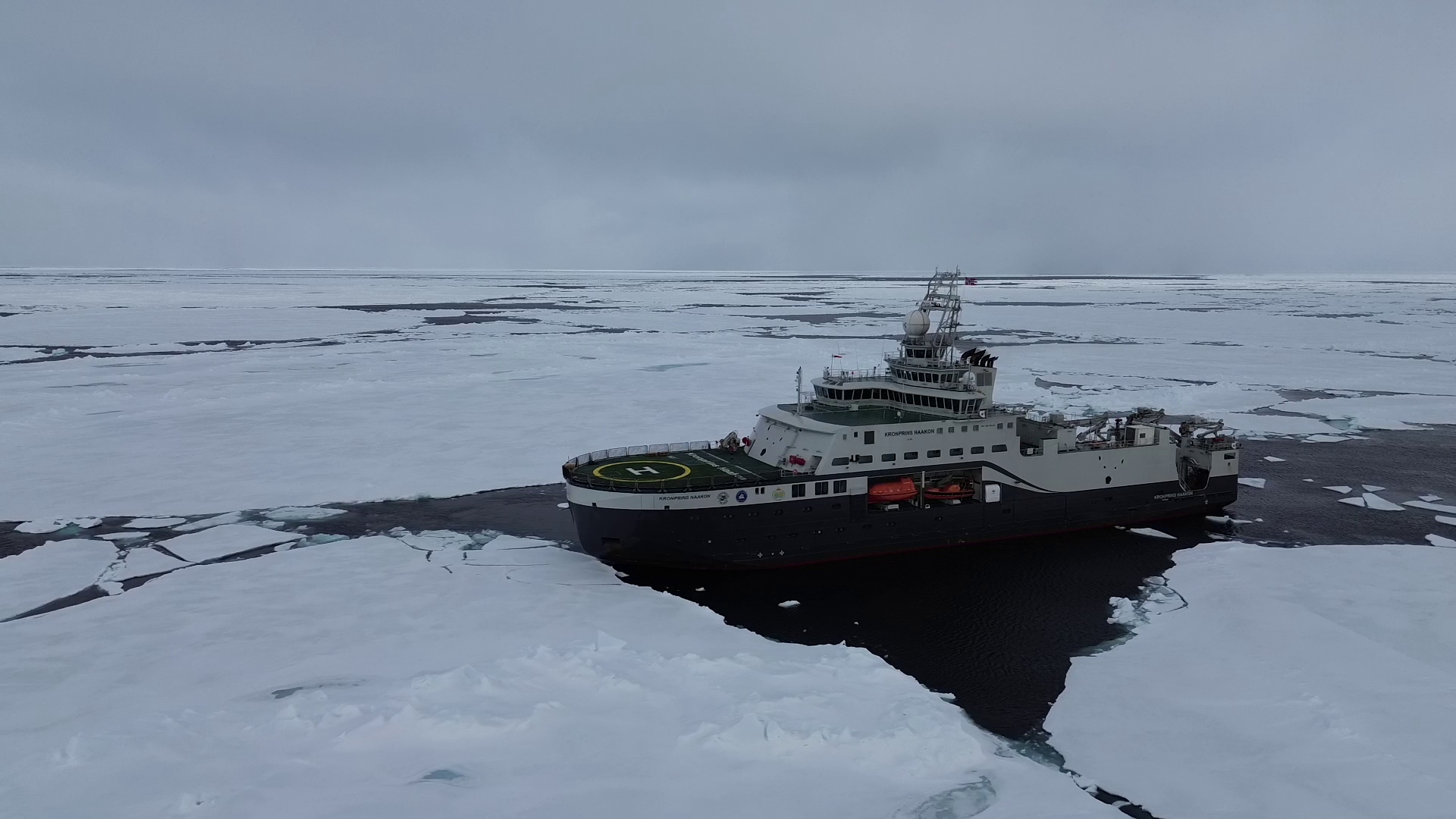
After 50 days in the Arctic Ocean, the FF Kronprins Haakon has returned with data from areas that few have explored before.
Researchers and crew have now docked in Longyearbyen after a 50-day research expedition. They will now process and analyze the extensive data collected during the first research expedition to the Polhavet 2050 .
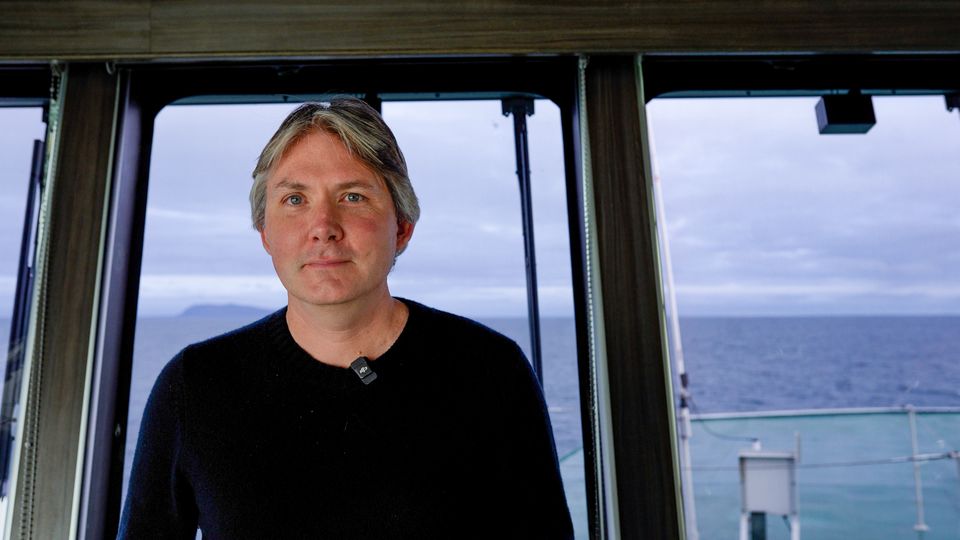
“We got what we set out to do,” says Paul Dodd, expedition leader and researcher at the Norwegian Polar Institute.
One of the main objectives was to conduct a continuous transect through the Nansen and Amundsen basins and across the entire transpolar drift.
For the researchers, the goal was not to go as far west as possible, but to go far enough to measure the entire current and the water masses on both sides.
“As far as I know, this is the first time anyone has conducted a high-resolution cross-section of this current, at least with all the biogeochemical parameters we’ve measured,” says Dodd.
Thick ice made the journey challenging
Planning such a long research expedition in areas where the FF Kronprins Haakon has not been before also involves considerable uncertainty. The researchers knew in advance that it would be more challenging to reach the westernmost point. There is more multi-year ice here because the currents carry it out to sea to a lesser extent. Over several years, it grows thicker through compression and deformation as ice floes collide.
In the end, the thick ice made sailing through it so difficult that the crew used up their planned time buffer. The compromise was to make changes to the route on the return trip. Despite the delay, the researchers reached the last planned station almost exactly on schedule.
This was one of the expedition’s defining moments, when they were able to confirm that they had crossed the entire transpolar drift.
“We saw that we had captured the flow, and we could see the water from the central basin on both sides. That’s when we realized we’d gotten what we were after,” Dodd explains.
They also retrieved and redeployed two mooring rigs that had been waiting for them since the previous expedition. The rigs enabled two years of continuous measurements.
“There’s absolutely no guarantee that this will work. There’s always a certain amount of risk involved in retrieving rigs like this. We’re very happy that it worked out,” says Dodd.
Long-term time series are important for understanding the climate
Although data analysis and processing are being carried out on board, the extensive work on the material is only just beginning. Dodd is therefore reluctant to draw scientific conclusions from the expedition.
The purpose of such expeditions is to maintain continuous observations over time and build long-term time series, which are essential for understanding climate change. Conditions in the Arctic can vary significantly from year to year, and individual observations reveal little about long-term trends. Only when measurements are repeated over time does it become possible to distinguish natural annual variations from longer-term changes in the climate.
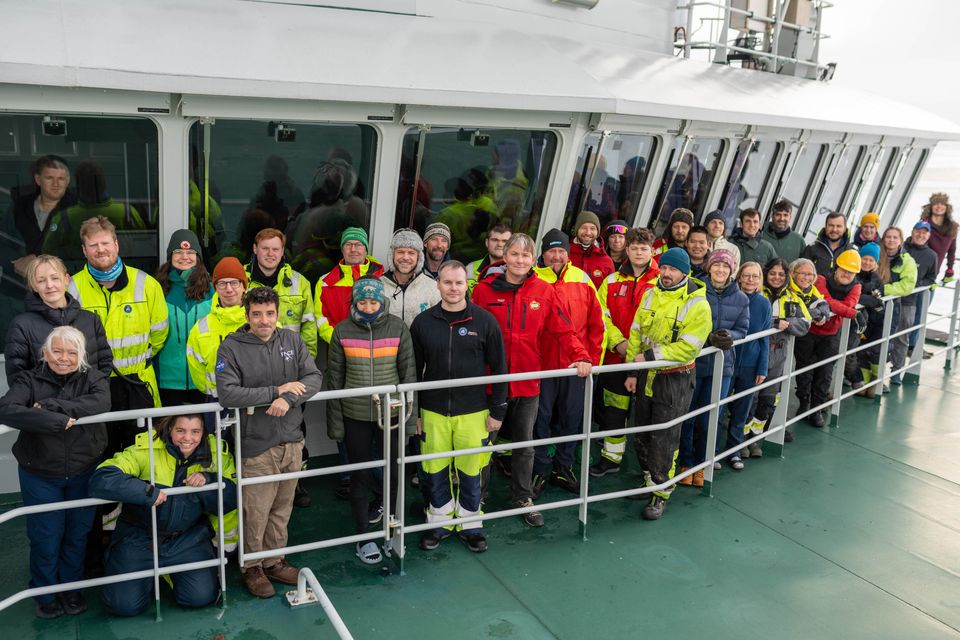
Satisfied Researchers
Conducting a multidisciplinary expedition with many research teams working in parallel is a major logistical undertaking. On expeditions in the Arctic Ocean, a significant portion of the ship’s time is spent on transportation. The remaining time at the research stations must therefore be utilized to the fullest.
About half of the participants had experience from similar expeditions, while for the others it was a new experience.
“This has nevertheless been pioneering work for everyone. Everyone came back with new measurements from an area they hadn’t been to before,” says Dodd.