
Source: Voss Municipality
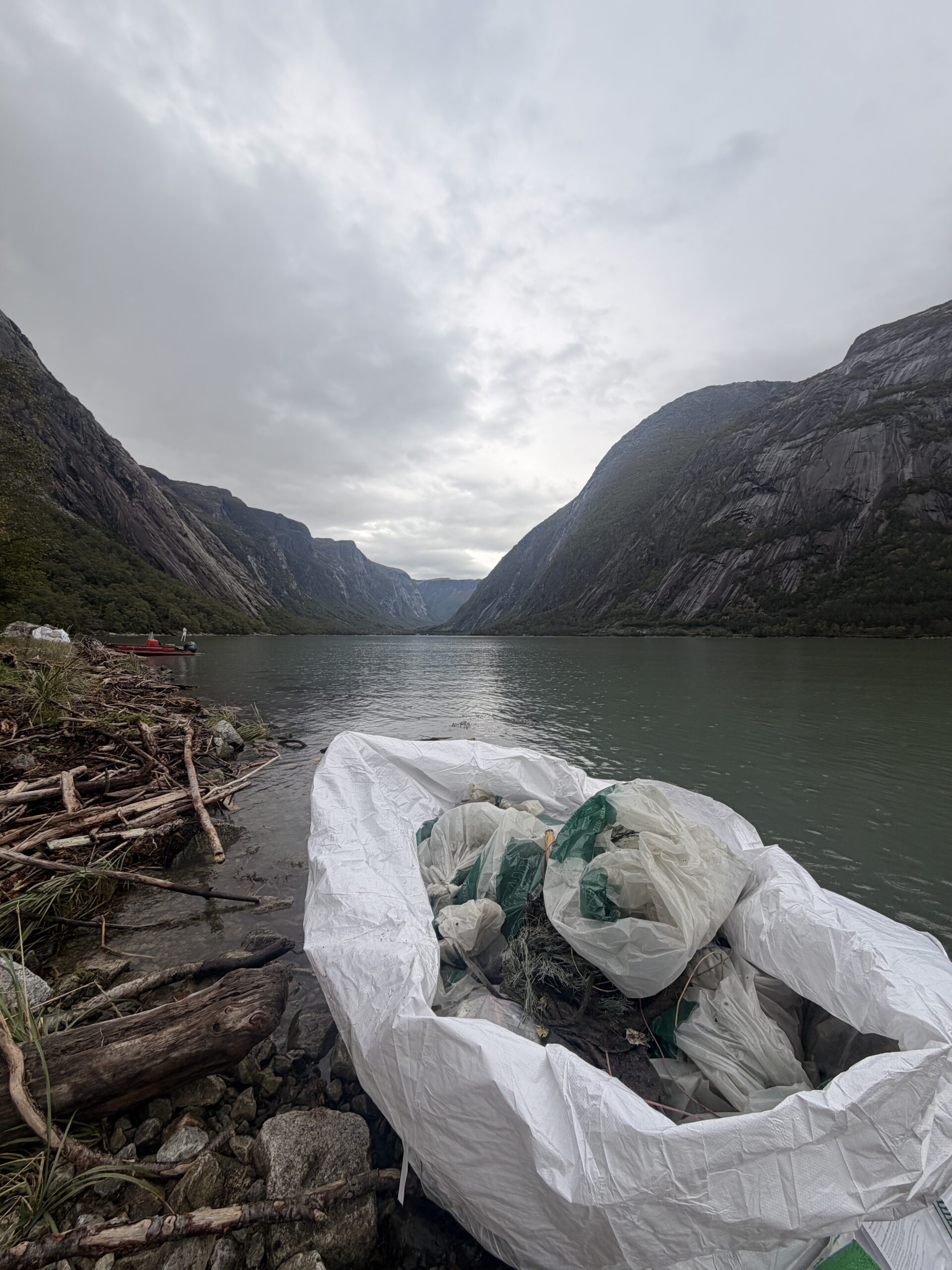
Firefighters and volunteers from across the region gathered for the Rein Hardangerfjord cleanup on September 17 to clean up the north side of Simadalsfjorden.
For several years, this location has been a well-known spot for the accumulation of debris that ends up in the Hardangerfjord.
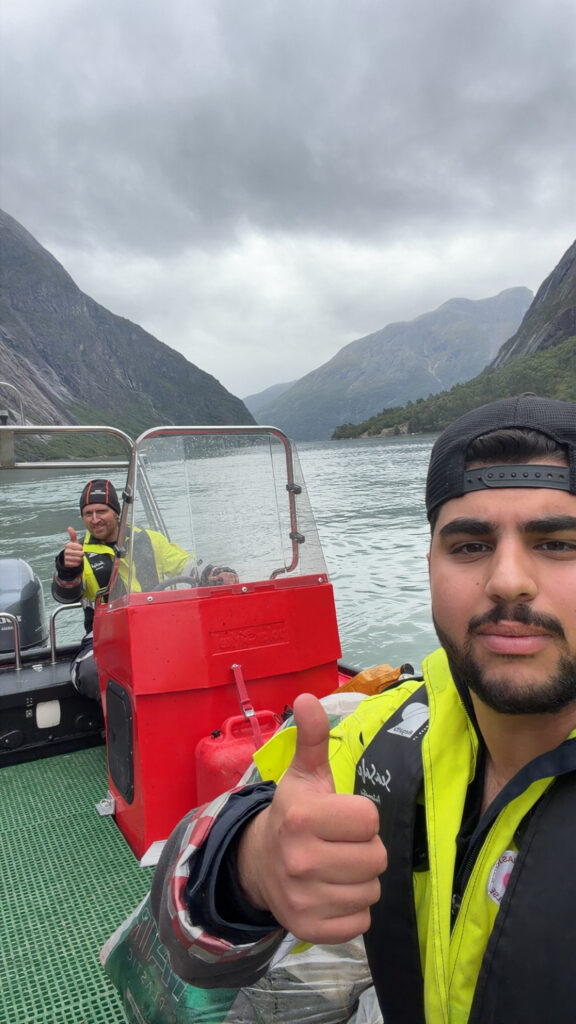
– We’ve found a lot of Styrofoam, rope, and other equipment from various industries. In addition, a lot of blasting waste related to road construction has turned up, as well as small biofilters used in various treatment plants both on land and at sea. That’s according to Aria Lien, who, along with Atle Holven from the Voss Fire Department, has been participating in the cleanup effort.
The Voss Fire Department participated as part of a drill organized by the IUA Bergen Region KO (Intermunicipal Cooperation Against Acute Pollution), which encompasses 20 municipalities in Vestland County. Fire departments from across the region took part under the leadership of Sondre Eide from the Kvam Fire and Rescue Department. The exercise was based on a hypothetical scenario in which a barge had run aground near the island of Sild in Kvinnherad. In this scenario, the barge was carrying plastic and Styrofoam, and the grounding resulted in the release of between 150 and 500 m³ of loose plastic and Styrofoam into the sea.
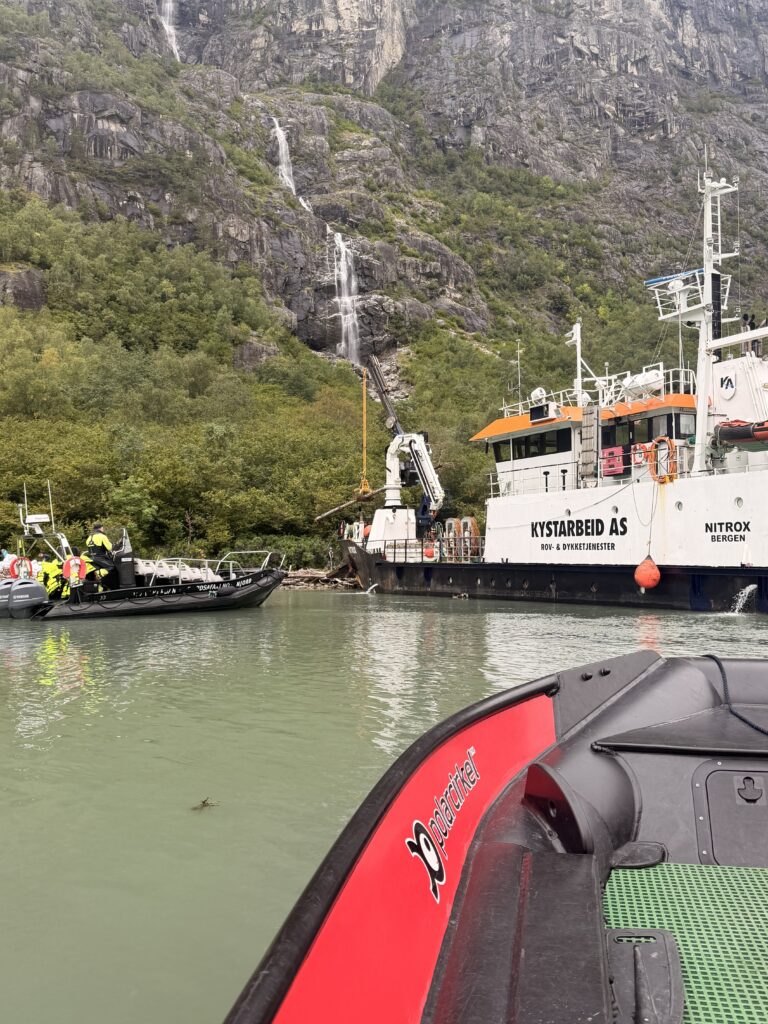
– When an acute pollution incident occurs along the coast, there’s often a little time before it reaches the beaches. It is therefore incredibly important to remove debris—such as oil—that the pollution clings to, as this makes the cleanup work afterward very complicated. So this is an important drill for a potentially very real situation, says Alf Halsen of the Bergen Fire Department, who oversees the administration and day-to-day management of the IUA Bergen Region Command Center.
In addition to resources from the fire department, 27 volunteers from the “Ren kyst” emergency response team participated; they are trained in cleanup following acute pollution incidents and are under the authority of the Norwegian Oil Spill Response Association for Operating Companies (NOFO), which manages oil spill preparedness on behalf of the companies operating on the Norwegian continental shelf. They are responsible for responding when actual accidents occur and have approximately 500 volunteers at their disposal who can be mobilized in the event of an oil spill.
This is the first time that the IUA Bergen Regional Chapter is participating in Rein Hardangerfjord, an event organized by Framtidshavet. Alf Halsen from the Bergen Fire Department views the participation as a positive experience:
“We get to practice coordinating and leading operations, which is important so that we’re well-prepared when serious incidents occur,” says Halsen.
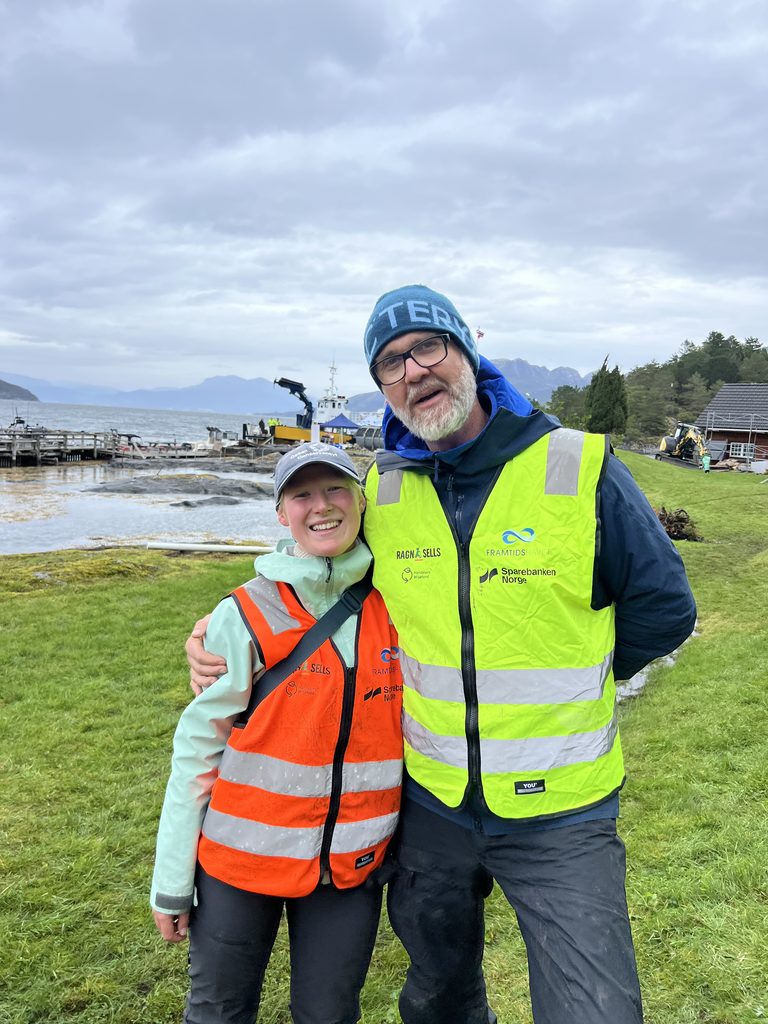
Aria Lien from the Voss Fire Department has participated in cleanup efforts before, but he is surprised by the large amounts of debris that accumulate in the sea.
“It’s important to get involved and help clean the fjord of all this trash that doesn’t belong there,” he says.
Hardanger Vocational School sent 19 people who spent the entire day picking.
“Our motto is that we can’t just go around talking about it—we actually have to do something about it. And that’s exactly what we did today. This is a new record for us in terms of collecting trash from the sea,” says Per Morten Tjoflot Ådland, a teacher at the vocational school.
Lina Hamre, climate and environmental advisor for the municipality of Voss, is focused on the measures that must be taken to prevent waste from ending up in the sea.
– With so much fishing line and plastic filters turning up these days, one has to wonder why they ended up in the sea in the first place. We must prevent this pollution from occurring at all. Life for the organisms in the Hardangerfjord is already under tremendous pressure, and the last thing they need is more plastic.