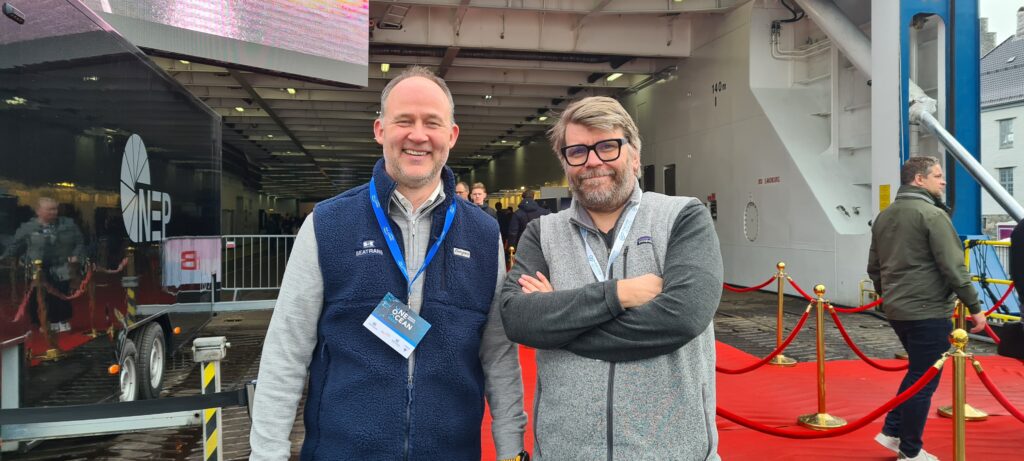

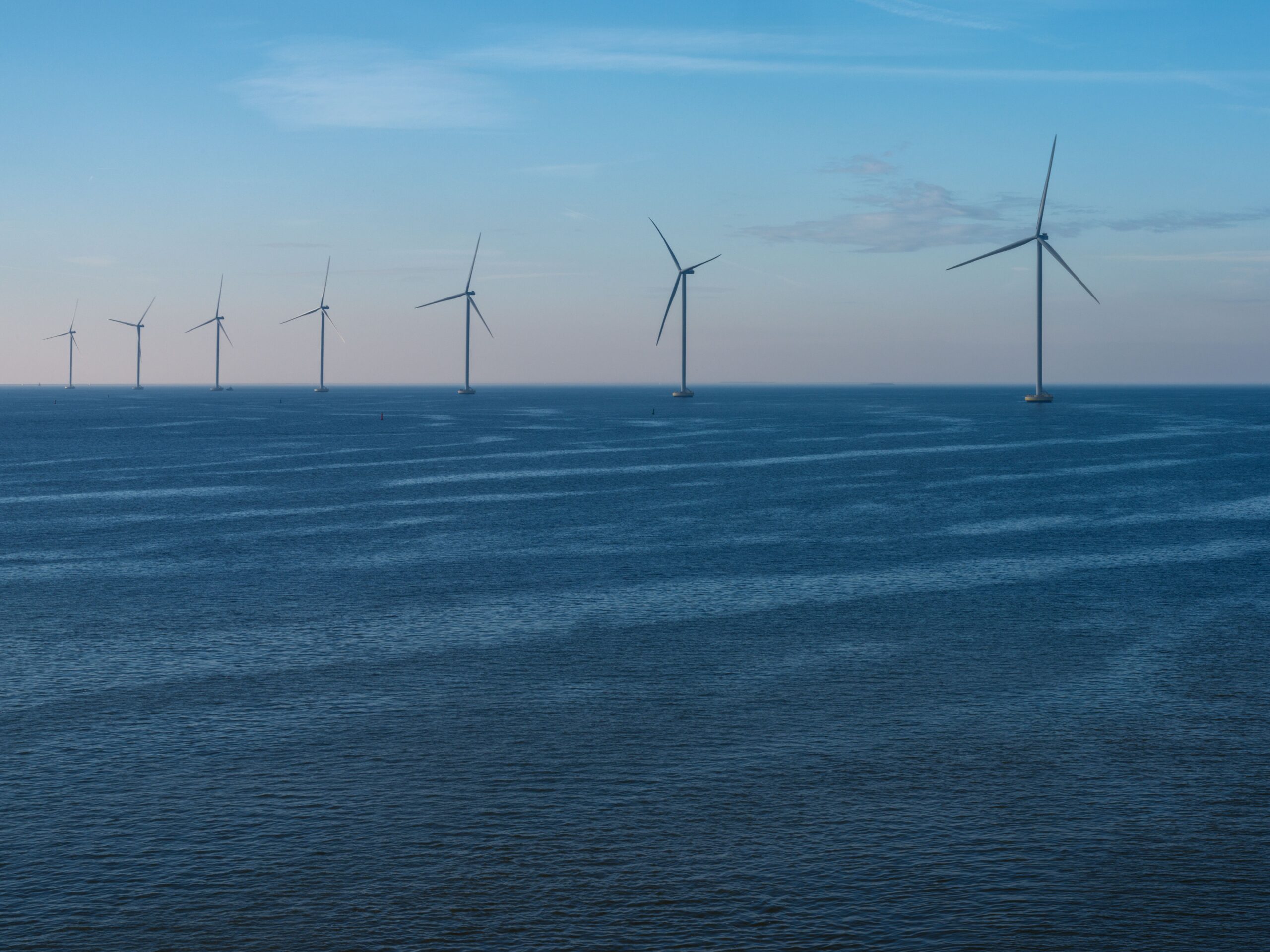
Offshore wind is often cited as an important industry of the future for Norway. But where does the industry stand today, what opportunities exist along the West Coast, and what will it take to succeed? We spoke with Atle Dåvøy of GCE Ocean Technology, which is part of Energy Cluster Norway, and Margunn Bjørnestad, CEO of the Wergeland Group.


Margunn Bjørnestad. PHOTO: Wergeland Group
1. Is offshore wind still an industry of the future, or is it already taking shape?
Margunn Bjørnestad:
– For the supplier industry, this trend is definitely underway. Norwegian offshore wind suppliers generated approximately 65 billion kroner in revenue in 2025, and a large portion of this came from exports. In Sløvåg, we have already been involved in several offshore wind projects, including Hywind Tampen, Hywind Scotland, Neart na Gaoithe, and Culzean. Through these projects, we have built up valuable experience and expertise.
Atle Dåvøy:
– At the same time, it is important to build a domestic market. We need projects here at home to develop a competitive offshore wind industry. Norway already has strong advantages in offshore activities, subsea, and maritime operations, but this expertise must be further developed through specific offshore wind projects.
2. Why does Western Norway play a special role in offshore wind power?
Atle Dåvøy:
– Western Norway’s greatest strength is the collaboration among its stakeholders. We have strong industrial bases, supplier networks, and research and educational institutions. Now the focus is on connecting these resources even more effectively. Through SAMvind, CCB Ågotnes, Hanøytangen, Wergeland, and Fjord Base, among others, are collaborating to identify how the region can meet the needs of future offshore wind projects.
Margunn Bjørnestad:
– We already have much of what the offshore wind industry needs. Along the coast of Western Norway, there is maritime expertise, shipyards, deep-water docks, large industrial areas, and experience with demanding offshore operations. This gives us a very strong foundation.
3. Can the experience gained from the oil and gas industry be applied to new marine industries?
Margunn Bjørnestad:
– Absolutely. This is perhaps Norway’s greatest competitive advantage. Over several decades, we have built world-leading expertise in engineering, logistics, marine operations, offshore installations, and project execution.
– The green transition isn't about discarding expertise from the oil and gas sector. It's about using that expertise to build new industries.
Atle Dåvøy:
– I agree with that assessment. Many of the same companies, technologies, and professional communities that have played a key role in the offshore and subsea sectors can also play an important role in the development of offshore wind power.
4. What opportunities can offshore wind create for jobs and value creation?
Margunn Bjørnestad:
– The potential is significant. Offshore wind projects generate economic activity far beyond the turbines themselves. This includes manufacturing, logistics, assembly, marine operations, maintenance, and a wide range of local services.
– For industrial towns along the coast, this could mean jobs, apprenticeships, new businesses, and long-term value creation.
Atle Dåvøy:
– The opportunities are there, but they won’t materialize on their own. Companies must be given the opportunity to build experience and competitiveness through real-world projects. Only then can these opportunities be turned into contracts, jobs, and exports.
5. Why is offshore wind an important part of the ocean dialogue during One Ocean Week?
Atle Dåvøy:
– Offshore wind is about more than just energy. It’s also about industrial development, land use, environmental considerations, fisheries, and how we’ll use the ocean in the future. That’s why we need to discuss both the opportunities and the trade-offs. Issues like these require that the business community, the research sector, government agencies, and the public come together and engage in dialogue.
Margunn Bjørnestad:
– I believe that events like One Ocean Week are important because they highlight the industries that generate economic activity and create jobs along the coast. At the same time, they provide a forum for dialogue on how we can develop ocean-based industries in a sustainable way.
Offshore Wind at a Glance
Norwegian offshore wind suppliers had a turnover of approximately 65 billion kroner in 2025.
About 80 percent of revenue came from exports.
Western Norway has strong competitive advantages thanks to its offshore expertise, maritime sectors, and existing industrial infrastructure.
The stakeholders point to predictability, the ability to execute, and collaboration as crucial to further growth.
“The jobs of the future aren’t created by ambition alone. They’re created when the industry is actually given the opportunity to build,” says Margunn Bjørnestad.
“We need projects here at home to develop a competitive offshore wind industry,” says Atle Dåvøy.